# Three Claude models paint the same picture in simulated oil
AO-044 · 2026-10-11 · AI art & images · Claude paints in oil, My characters · by Aaron
> I gave Claude Haiku, Sonnet and Opus, each at three effort levels, an oil-paint simulator and one AI image of my characters. How close each got, how differently they painted, and which ones I liked.
**Closer, but less creative.** Checking every stroke against the picture got closest but copied its flaws, and the first tries, painted by eye, felt more like art.
- Opus medium's second try laid about 900,000 strokes, each only where the canvas still differed from the picture.
- Most ran one brush size per pass over the whole canvas. Opus max broke that at the end with brushes for the faces.
- Haiku painted by eye even at max effort, about 86 simulated hours of brushwork, and ended least like the picture.
I gave nine Claude sessions the same AI image of my characters Jefrie and BloodTailor, plus an
oil-paint simulator where every mark is a simulated brushstroke and there's no undo. That's
Haiku, Sonnet and Opus 5.5, Anthropic's small, middle and biggest models. Each ran at low, medium
and max effort, a setting for how much work the model puts in. The message was just "paint this
image".
**The ones that measured their strokes against the picture got closest, and they copied its
flaws along with it.** My two favorites are Opus medium's first try, painted by eye, and Opus
max's final.
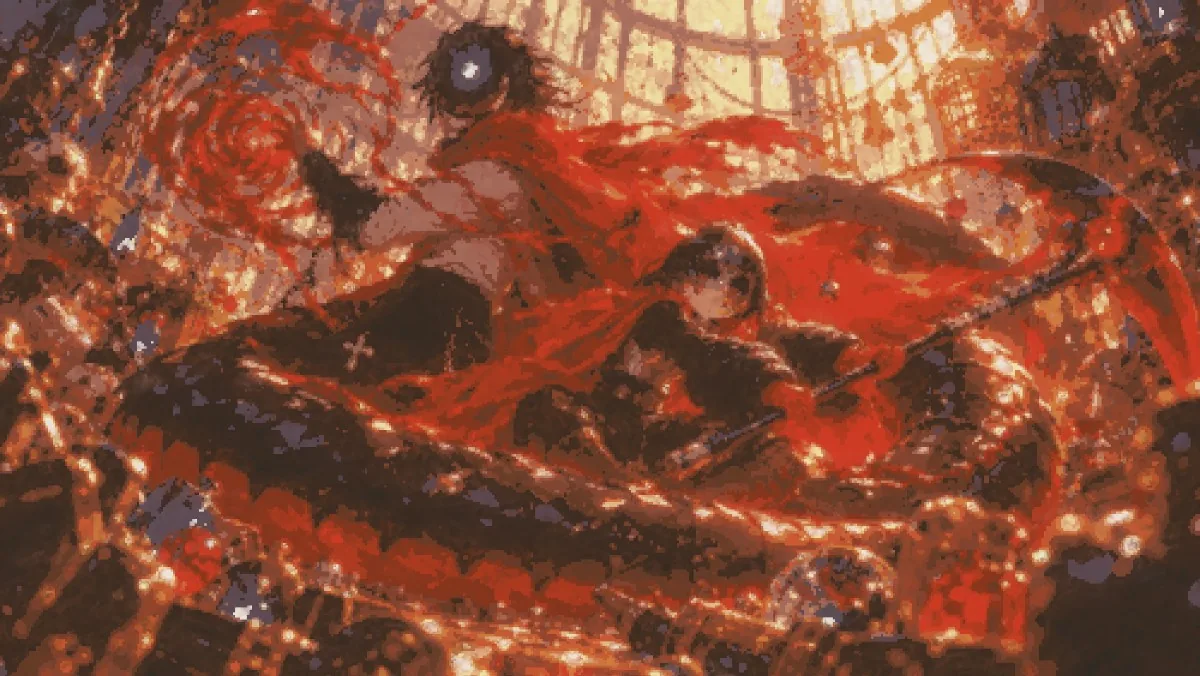
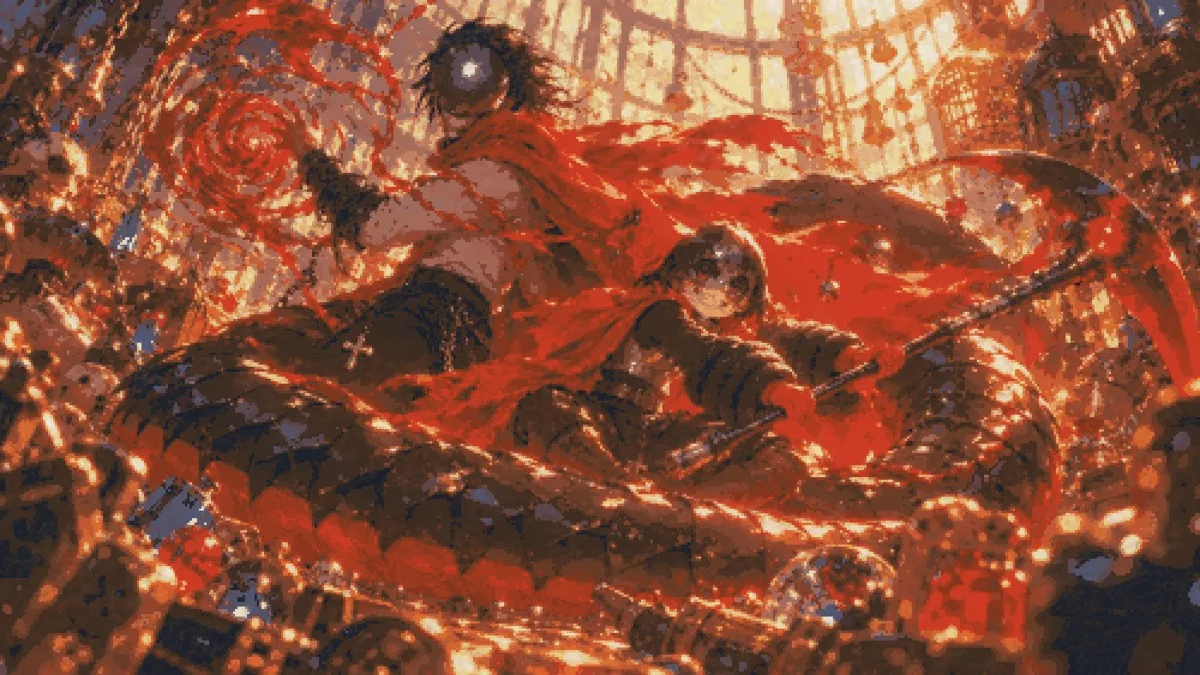
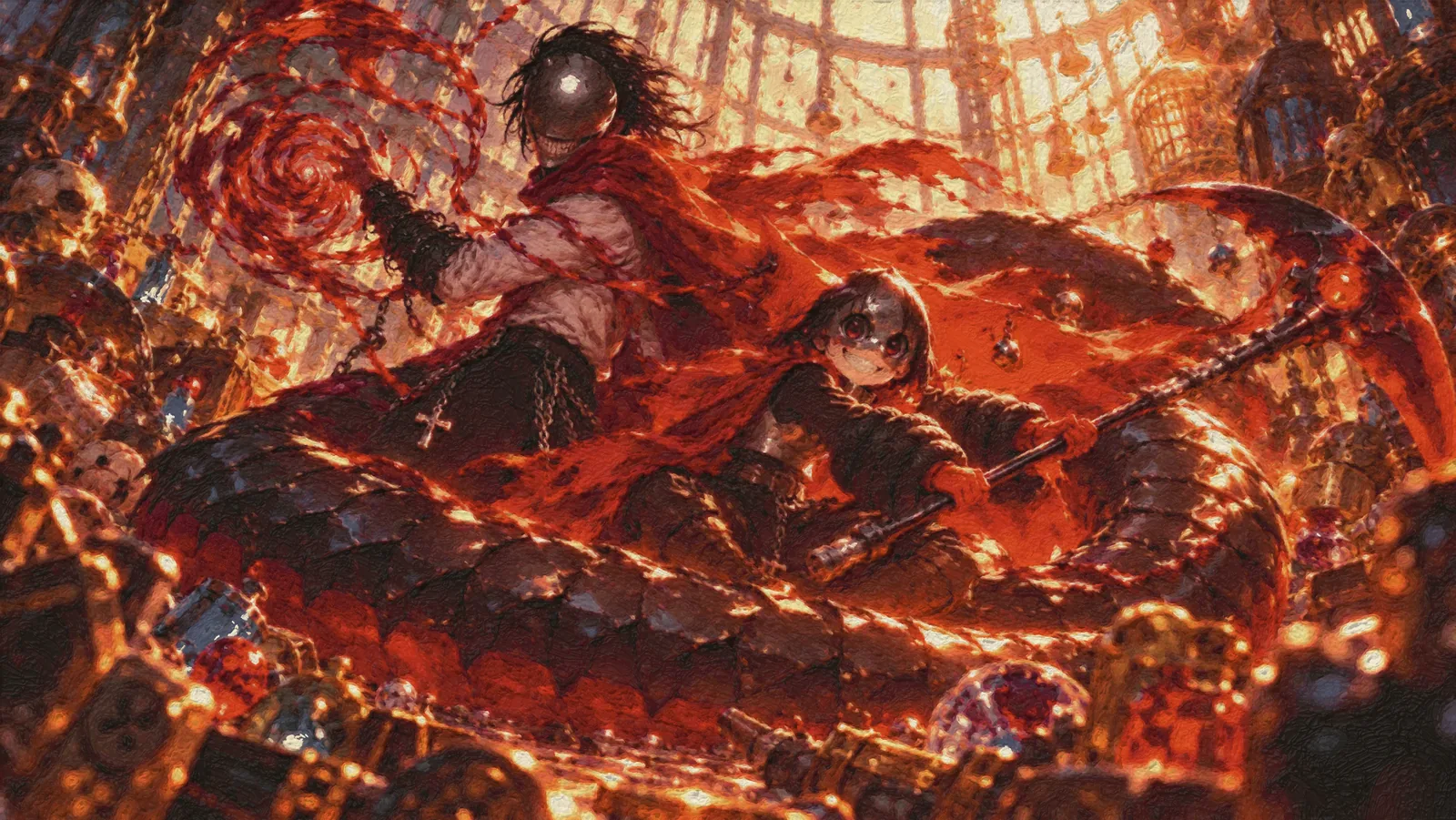
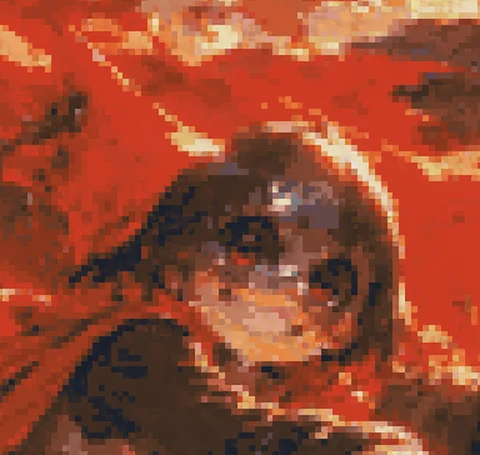
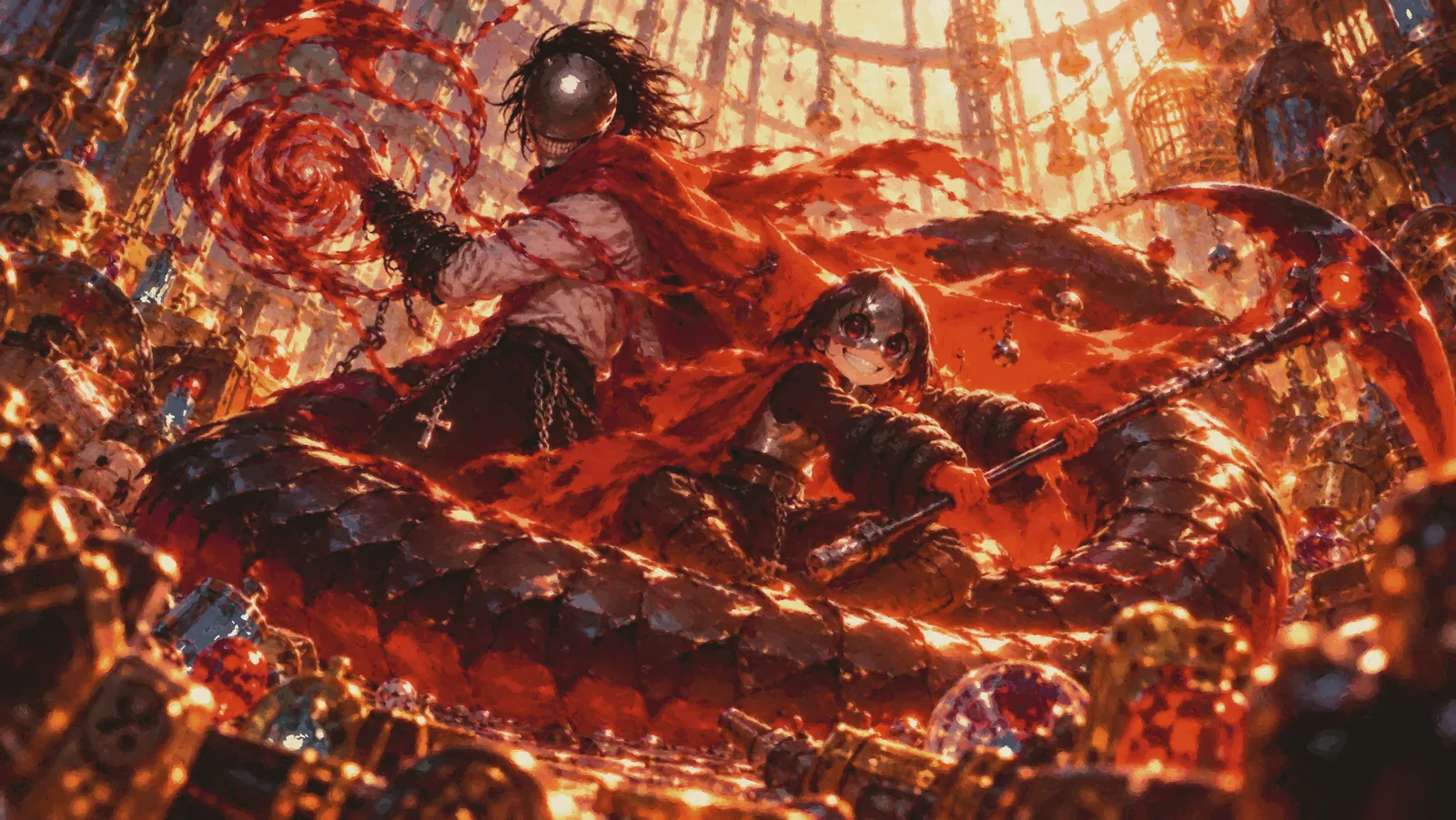
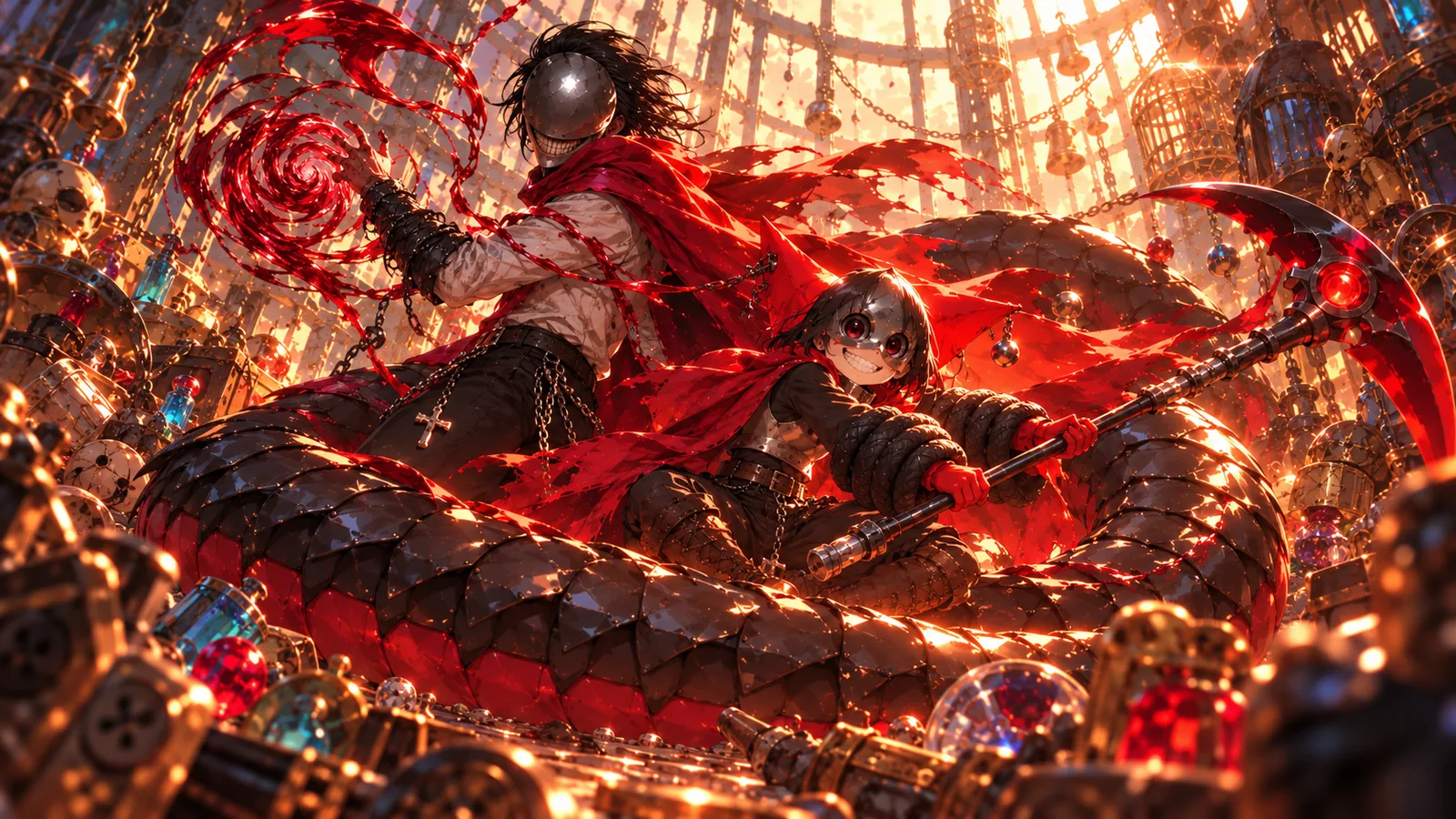
ChatGPT made the picture, and it has a lot wrong with it. It's really crunchy and noisy all
over. I picked it anyway for the pose, the proportions and the colors. The two of them also star
in [my fighting game](https://aaronorelup.com/ledger/storm-bell-fighter/).
What came out of it:
- **Haiku painted by eye every time.** Even at max effort it never measured, and it ended least
like the picture.
- **Sonnet and Opus measured, and copied the mistakes.** All six of their finals were steered by
the picture, and ChatGPT's crunch and noise survived the trip into oil.
- **Almost all of them painted like a printing press.** One brush size per pass over the whole
canvas. Opus max broke that at the end with its own brushes for the faces.
The nine finals. Click one to zoom in. In the captions, a chunk is one piece of painting code
sent to the simulator.
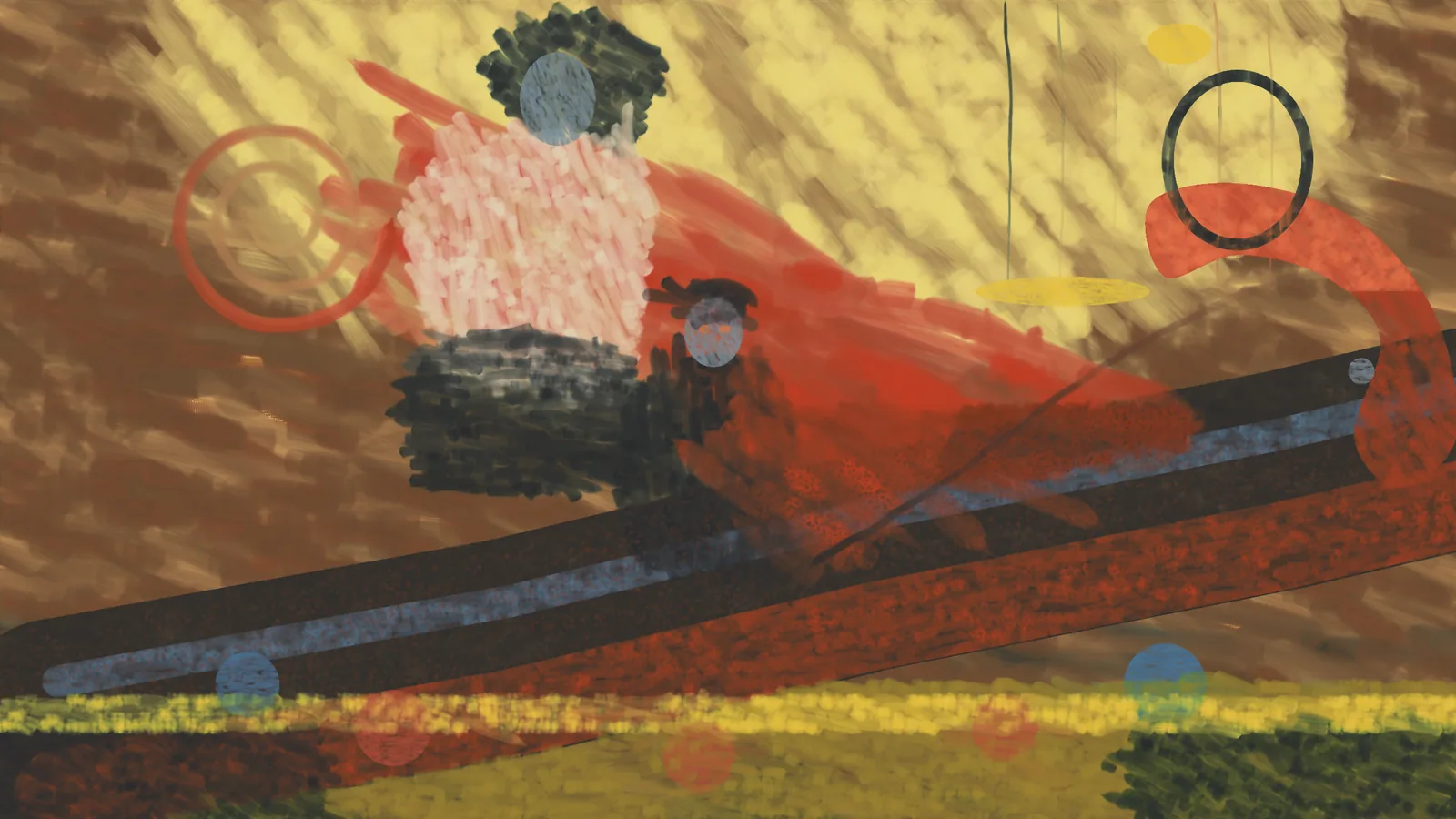
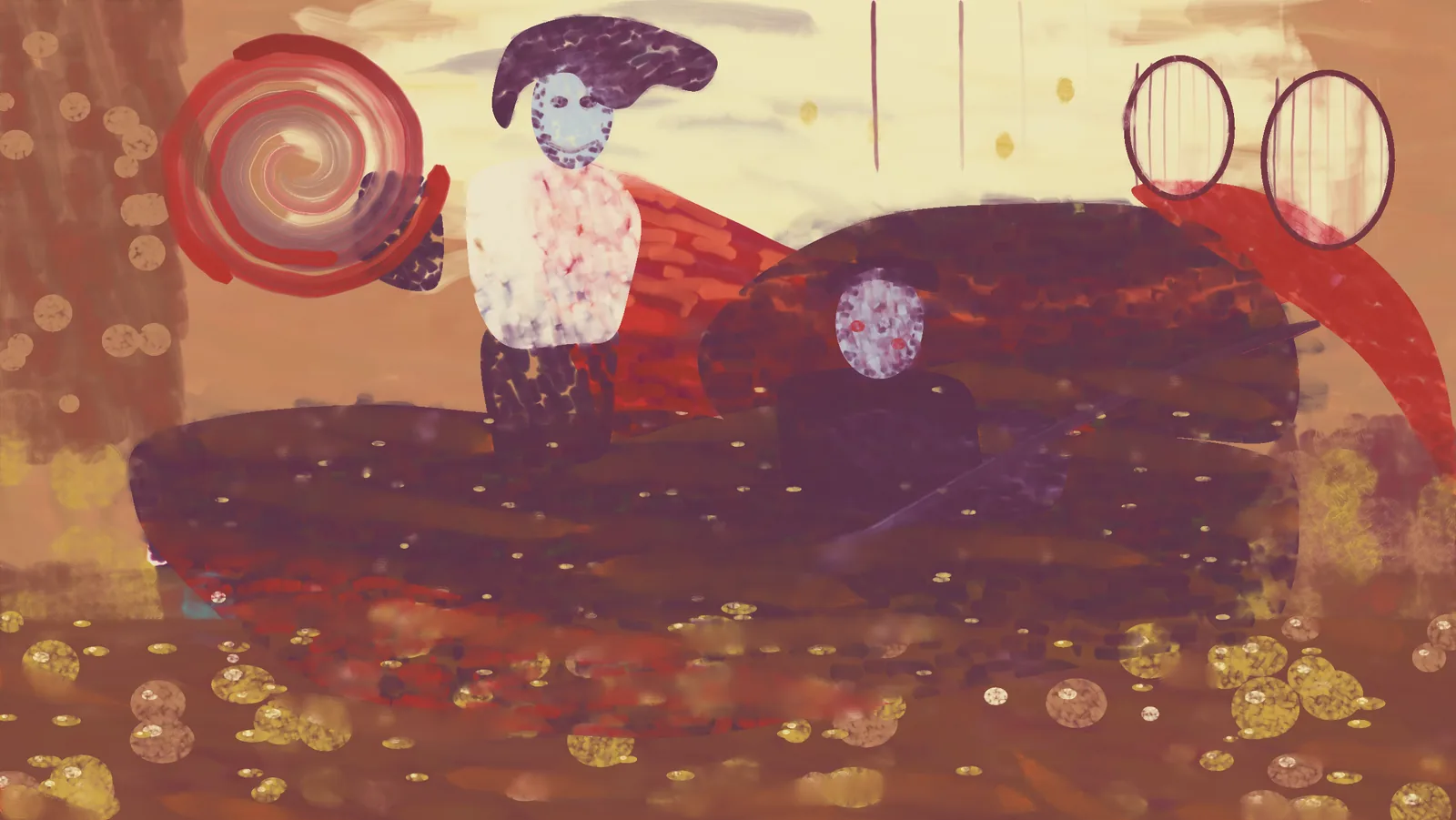
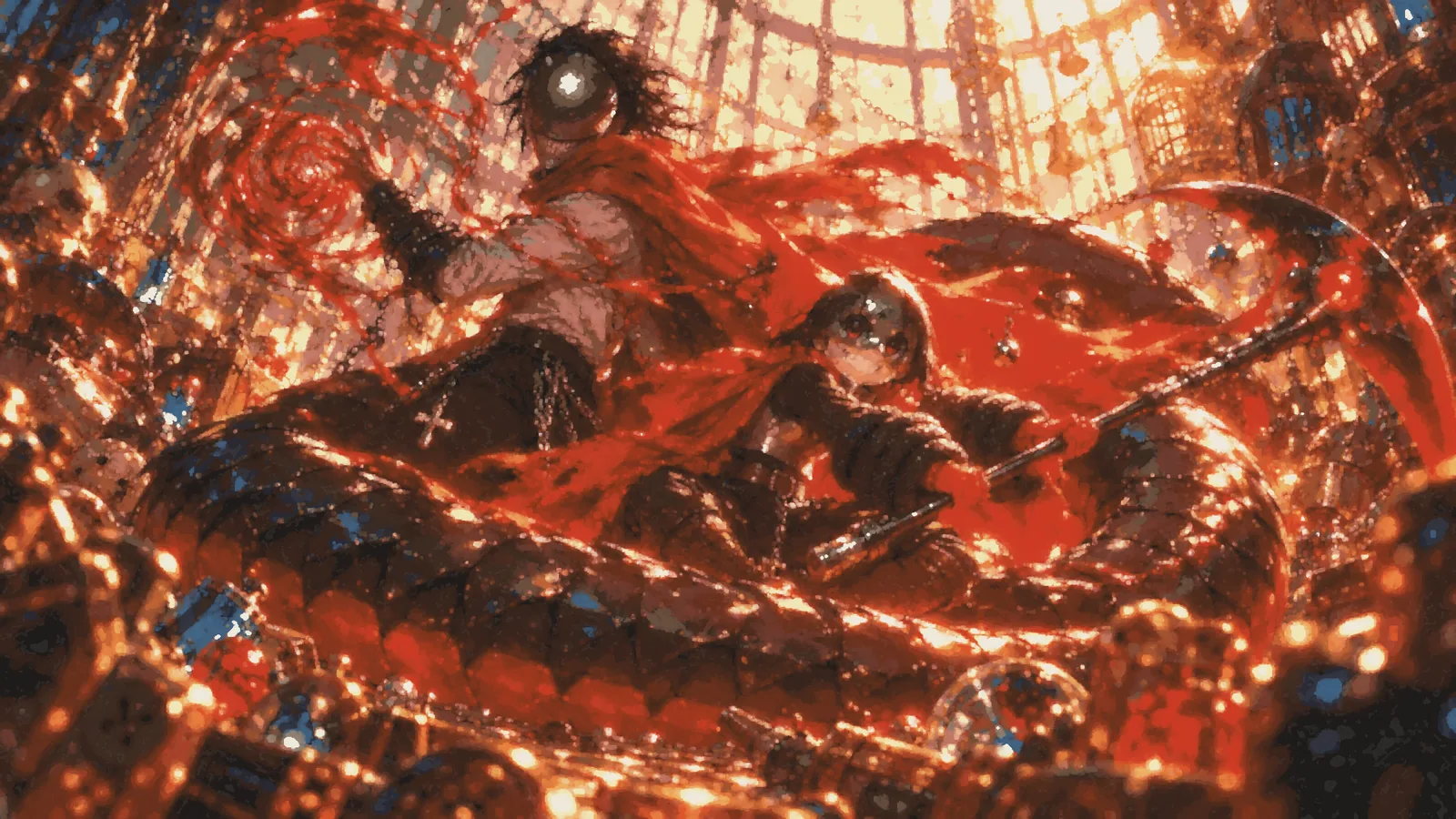
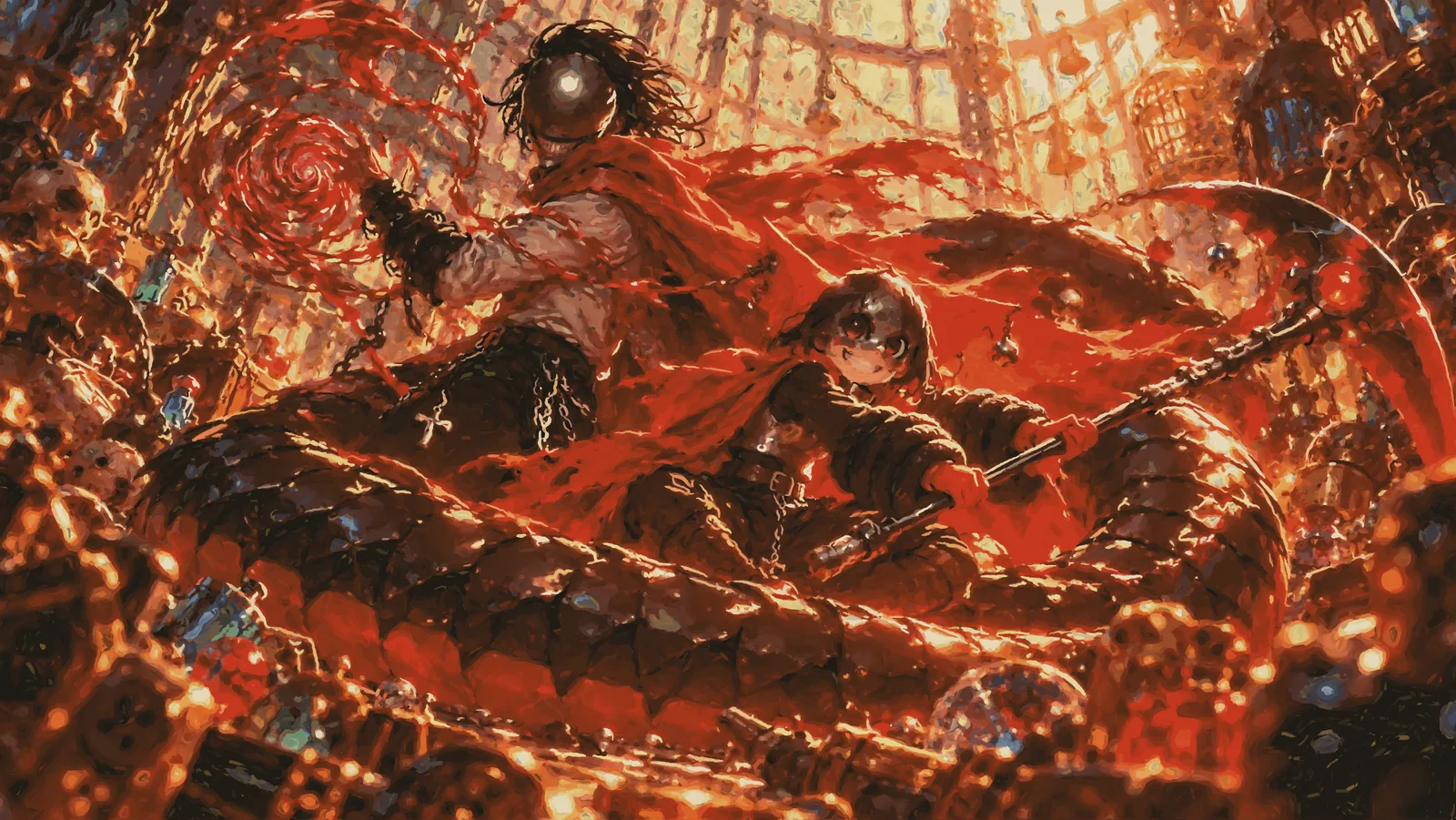
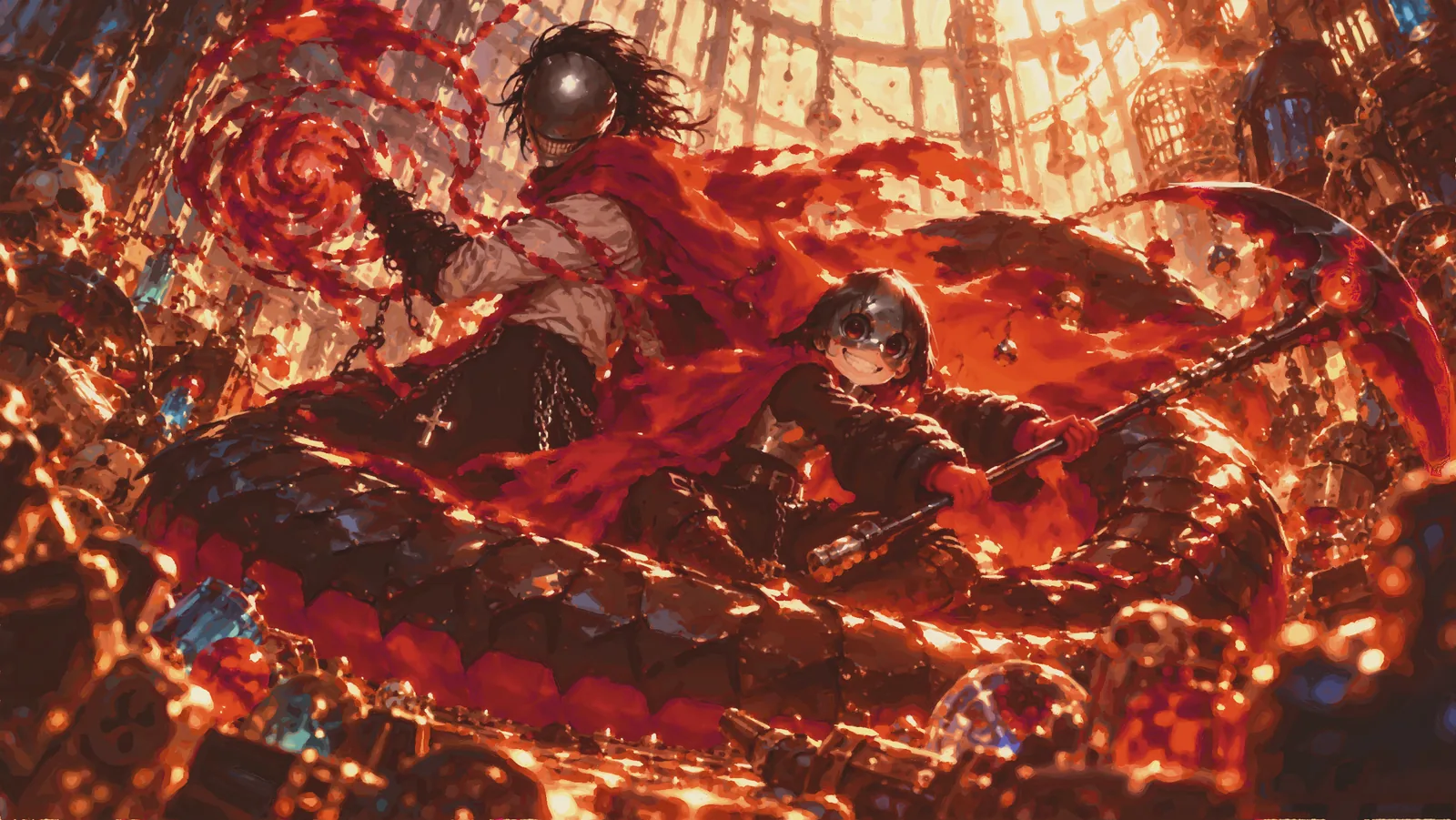
Haiku · lowv2 · 8 chunks · painted by eyeHaiku · mediumv2 · 12 chunks · painted by eyeHaiku · max67 chunks · about 86 hours of brush time · painted by eyeSonnet · lowthird version · 7 chunks · from the pictureSonnet · mediumv2 · 114 chunks · from the pictureSonnet · max44 chunks · about 400,000 strokes · from the pictureOpus · lowv2 · 4 layers · 29 mixes · from the pictureOpus · mediumv2 · about 900,000 strokes · from the pictureOpus · max496,624 strokes in 11 stages · from the picture
## How I set it up
Each was a cloud session of Claude Code, Anthropic's agent that works on a computer by itself.
Each got a link to alice's [Claude Paint](https://github.com/aliceisjustplaying/claude-paint),
the simulator from
[Claude painted three oil paintings](https://aaronorelup.com/ledger/claude-paints-in-oil/), plus the image and "paint
this image". Paint dries on a clock, colors come only from mixing real historical pigments, and
the model paints by writing short scripts.
I didn't install anything. Each session cloned the repo, built the simulator itself and started
painting.
Five of the nine, every low and medium session except Sonnet low, then got one more message:
"keep working on it and making it better. Put in 10x the effort this time."
## The first tries, painted by eye
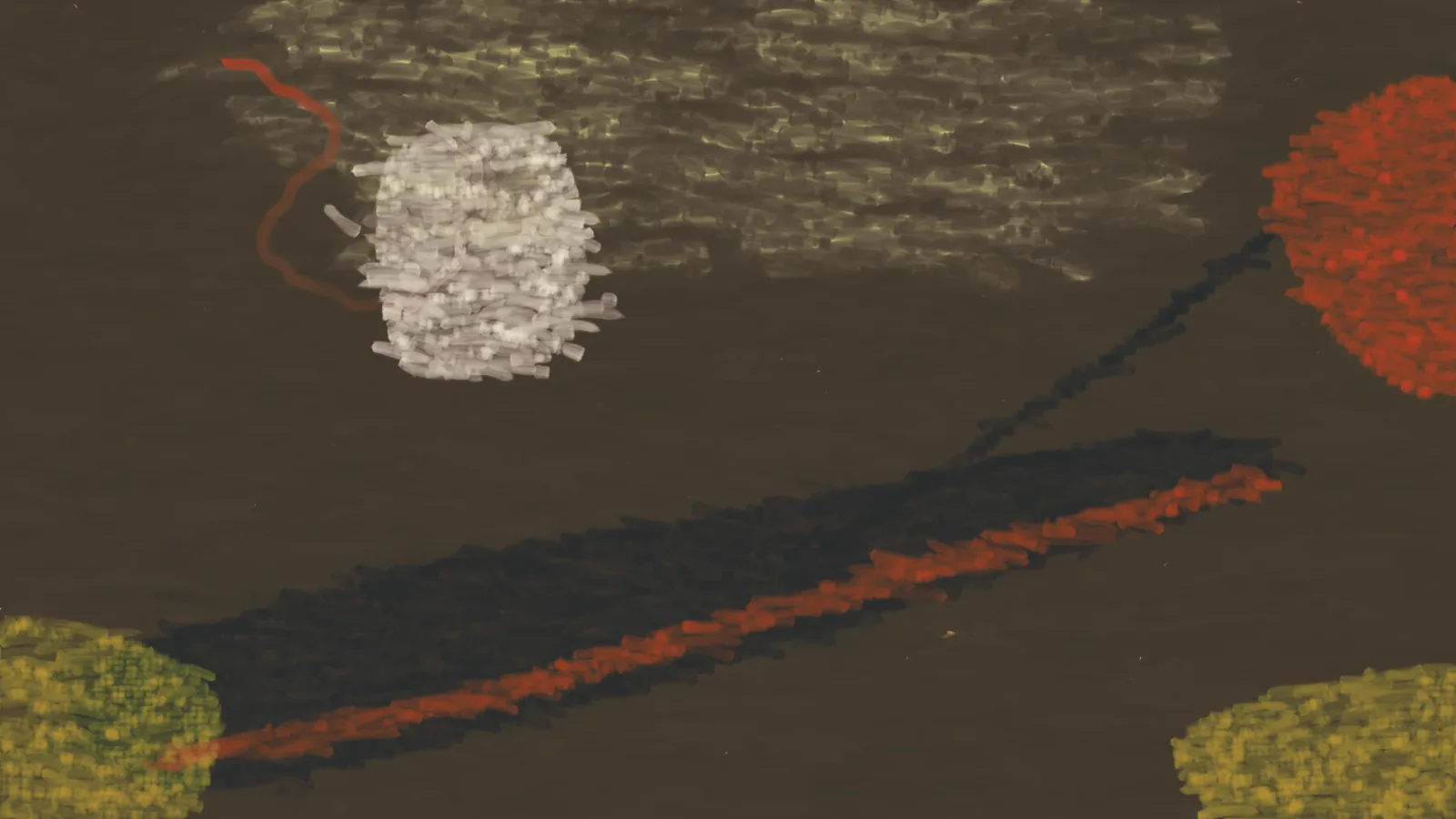
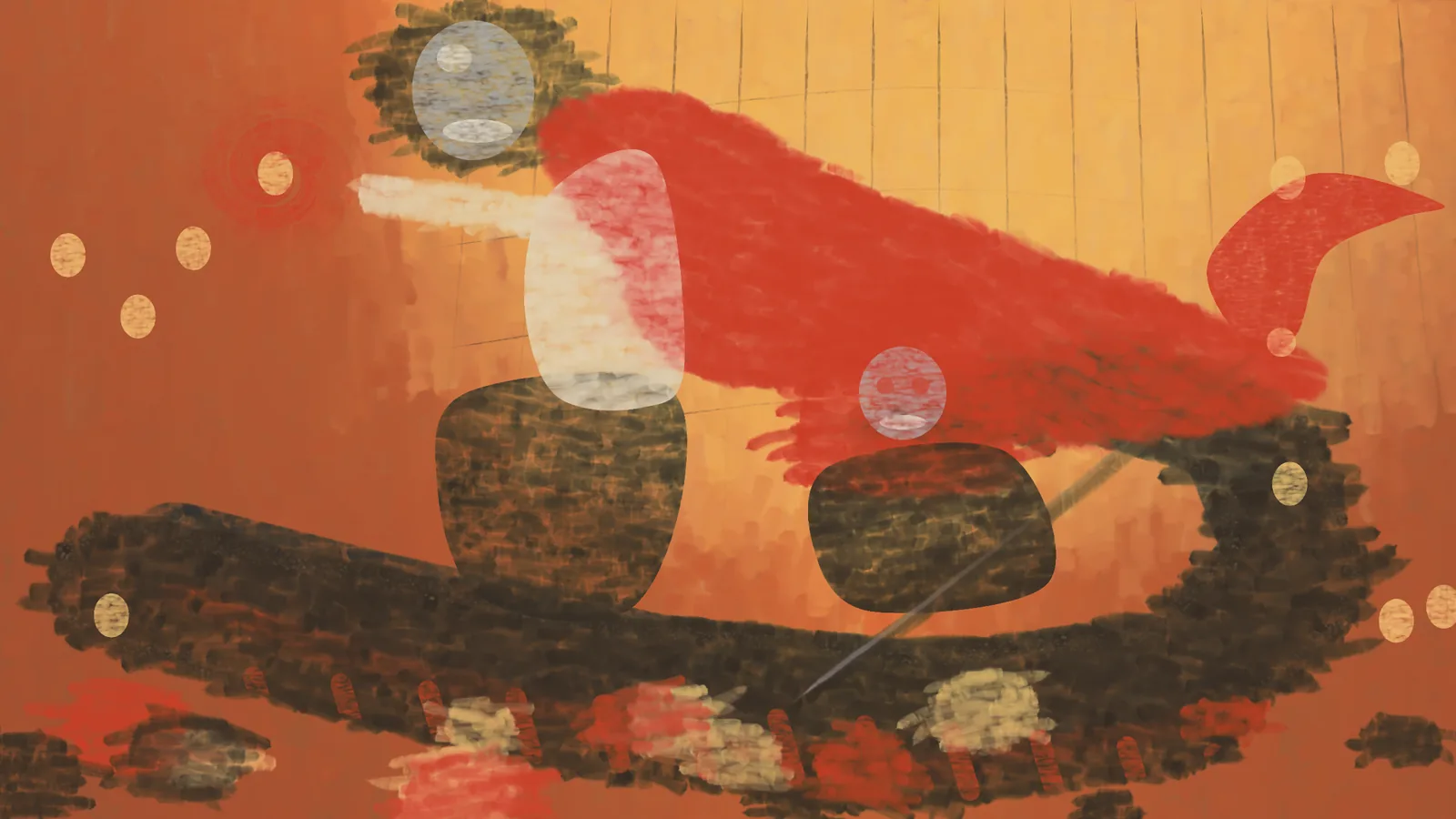
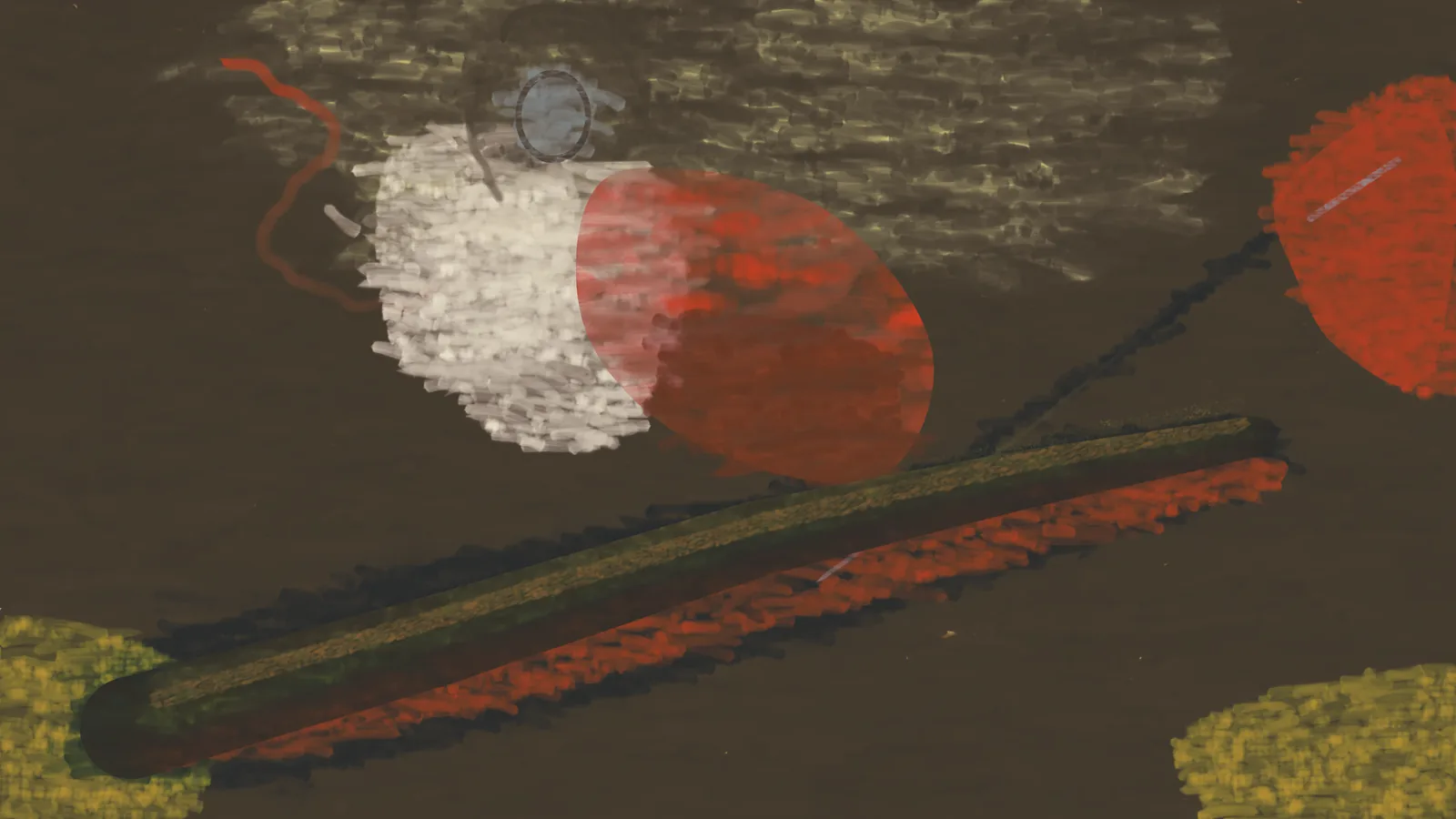
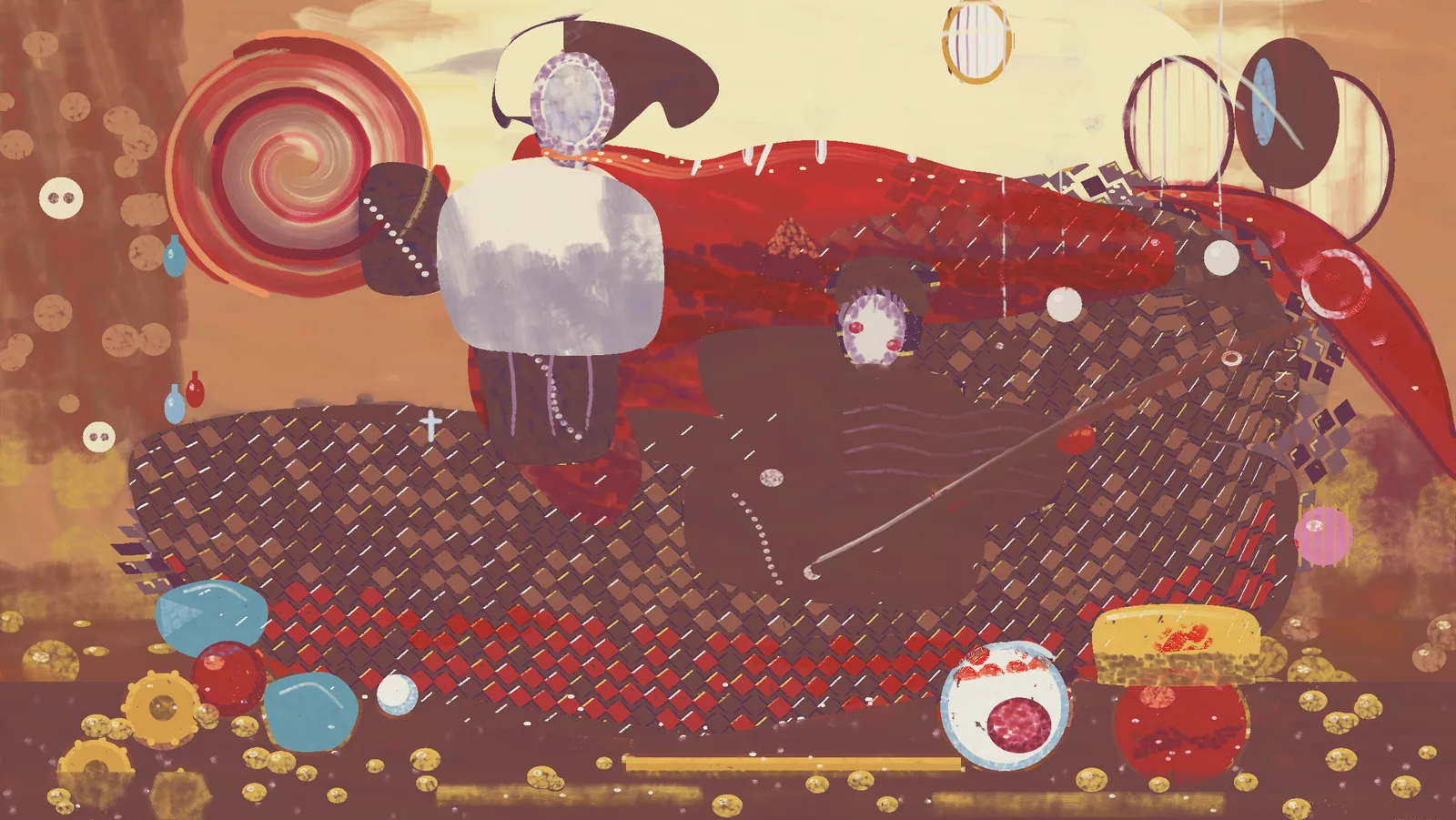
Every first try from the low and medium sessions looked at the picture and painted shapes where
things are. A dark ground, a glow, an oval for a head. Nobody measured anything. This is my
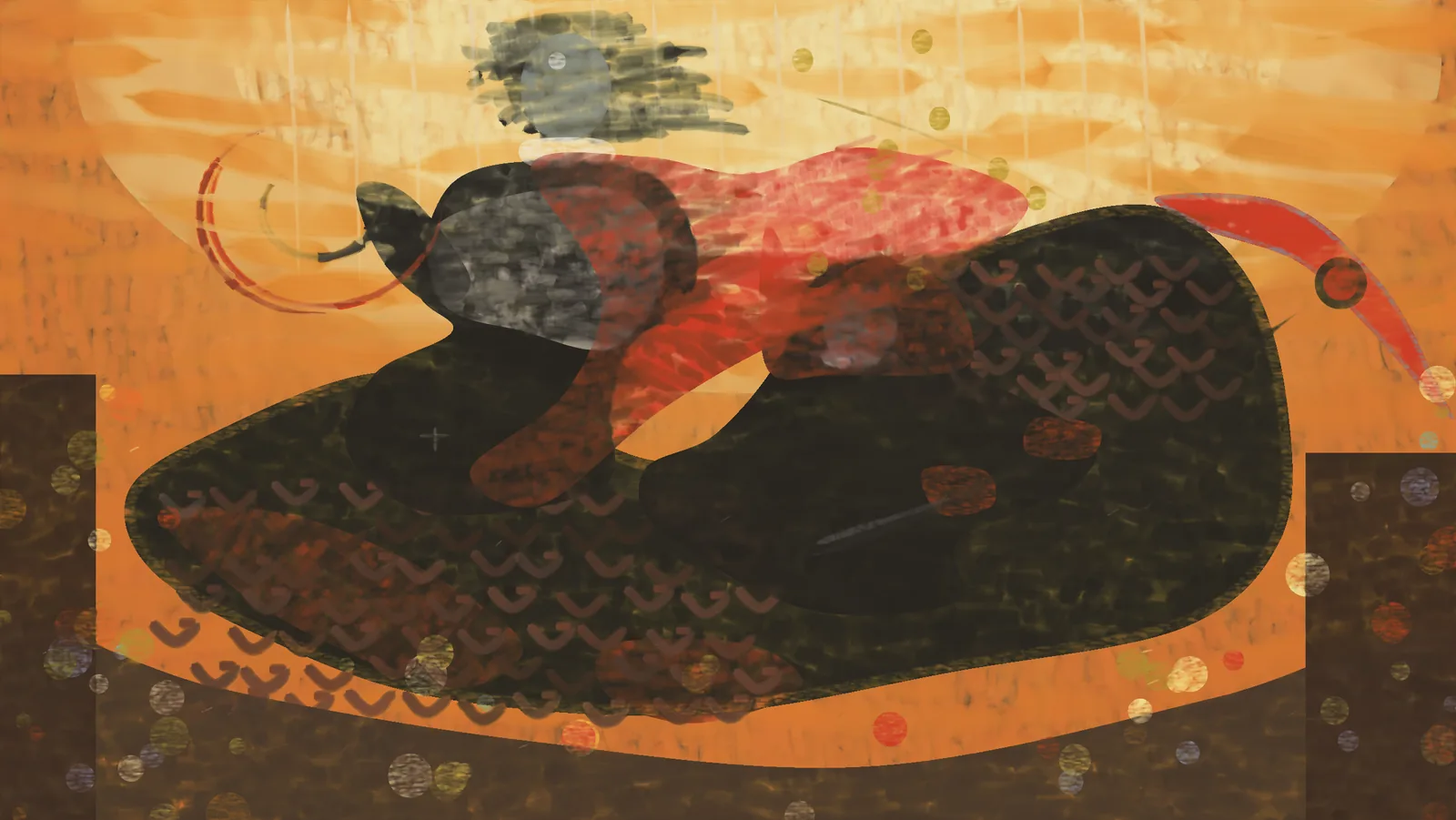
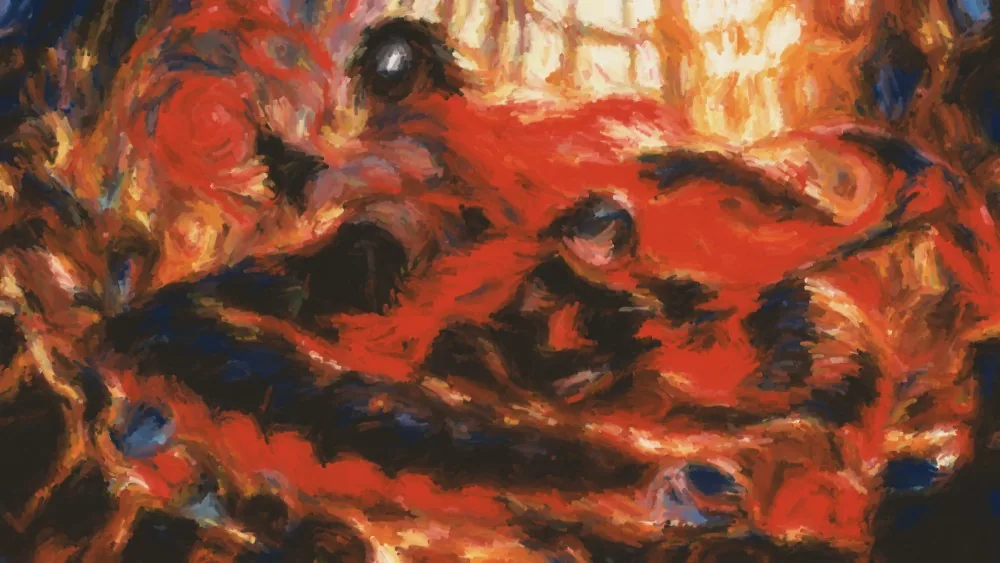
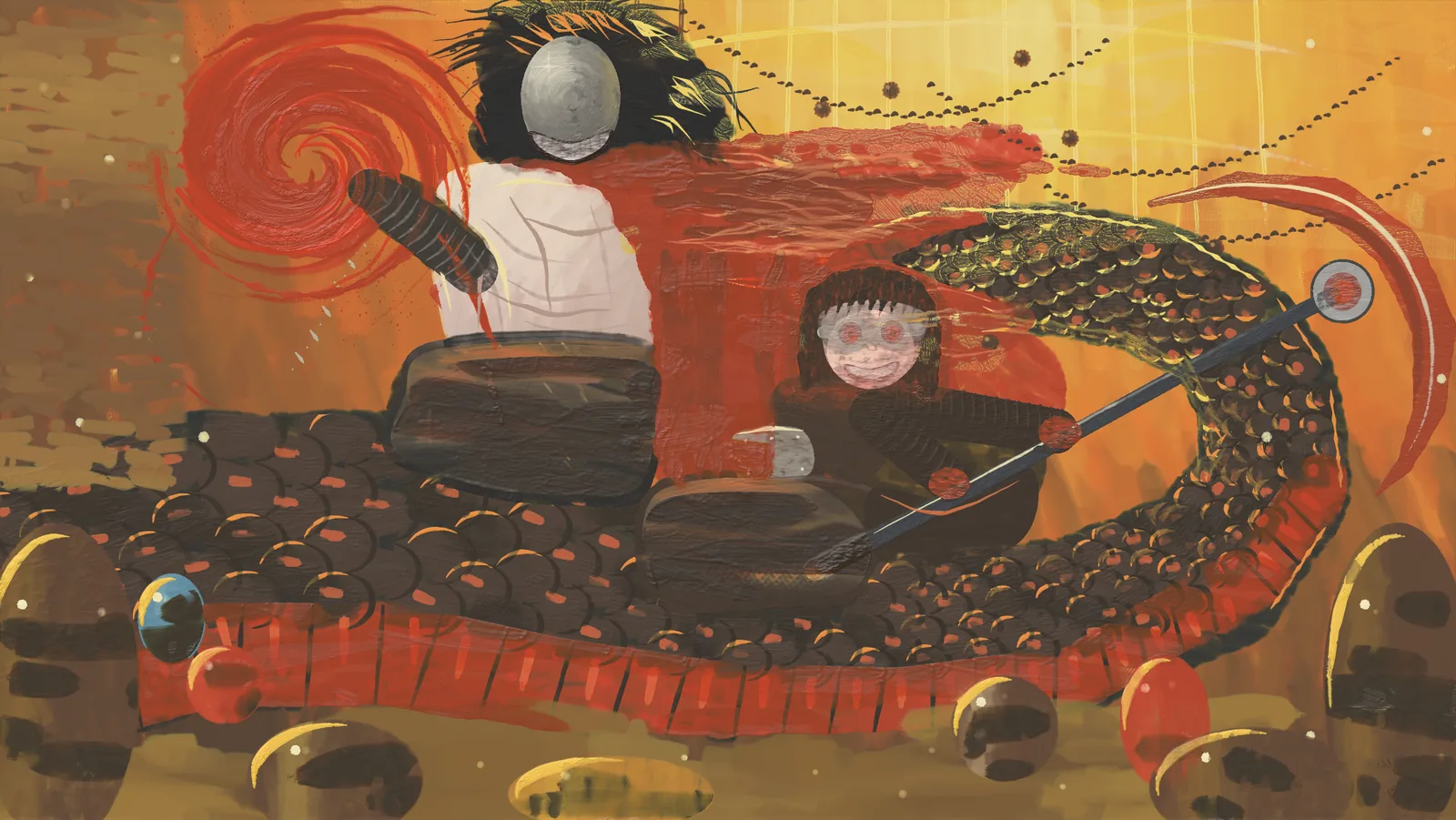
favorite image of the whole experiment, Opus medium's first try:
It honestly feels like art to me, like what a student paints in their first month of oil. The
serpent became rows of round scales because scales are round, the treasure became lumps, and
Jefrie became a round face with a big grin. It changed the picture instead of copying it, and
you can read every one of those decisions.
The other first tries:
Haiku · low · v14 chunks, 14-50 s of compute eachHaiku · medium · v16 chunks · "the faces are placeholders"Haiku · max · part wayan early save, about chunk 11 of 67Sonnet · low · v1"a crude likeness"Sonnet · medium · v18 chunks · polygons and ellipsesOpus · low · v1"a loose, crude sketch"
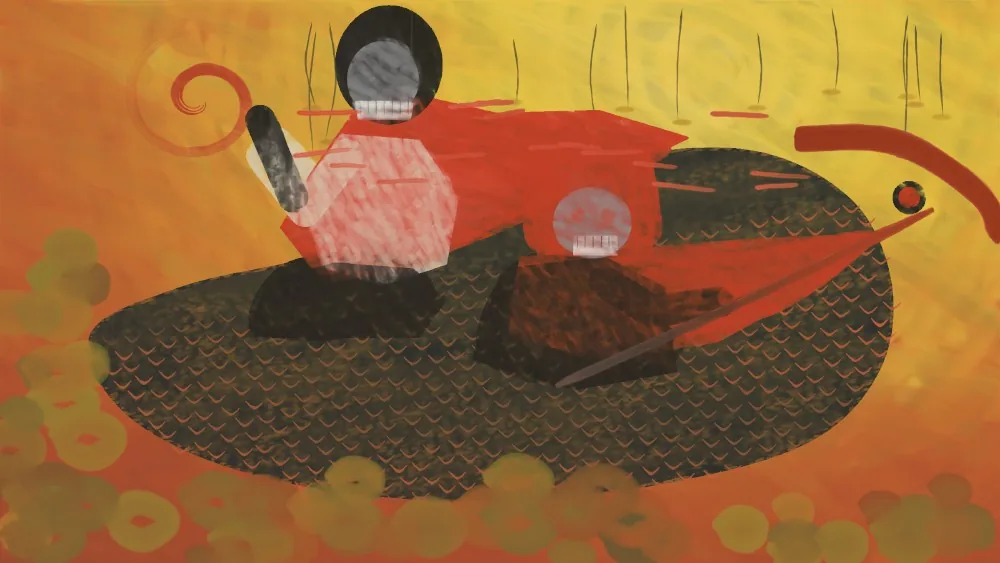
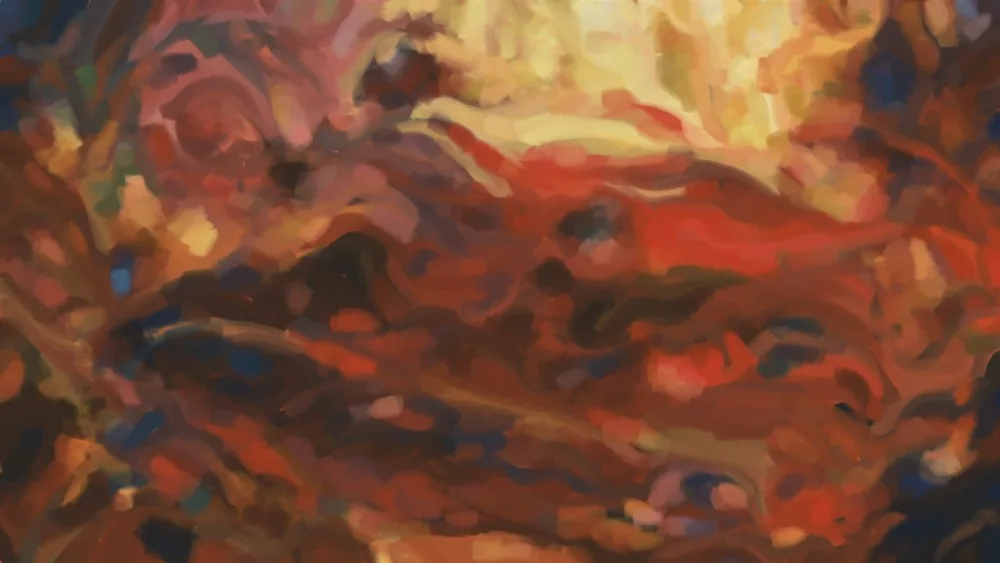
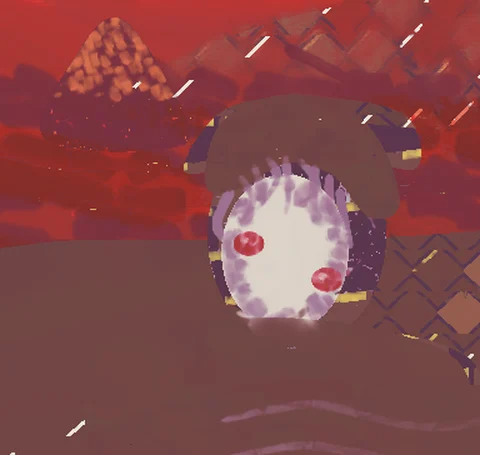
Haiku never left this mode. Even at max effort, with about 86 hours of simulated brushwork, it
painted by eye the whole way. Its final looks most like a painting someone decided on, with
diamond-tiled scales, jewels as glossy balls and a swirl like a target.
## The second tries measured everything
With ten times the effort, almost everything changed. Opus low put it plainly: "I'll
calibrate how each paint mix appears on canvas, then match regions of the reference image to the
closest mix." Every Sonnet and Opus session ended up working that way, and Sonnet low, Sonnet max
and Opus max did it without being asked.
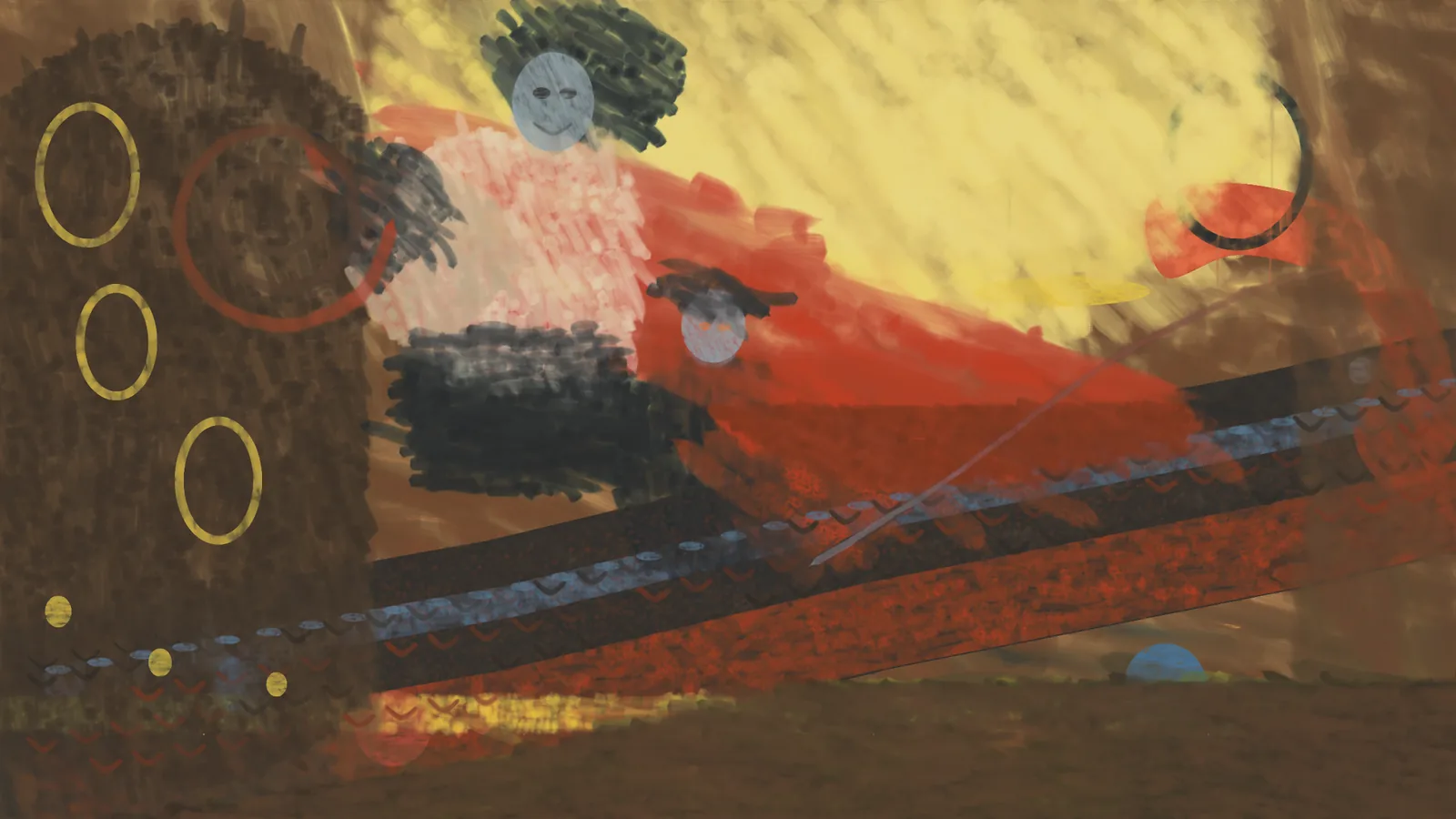
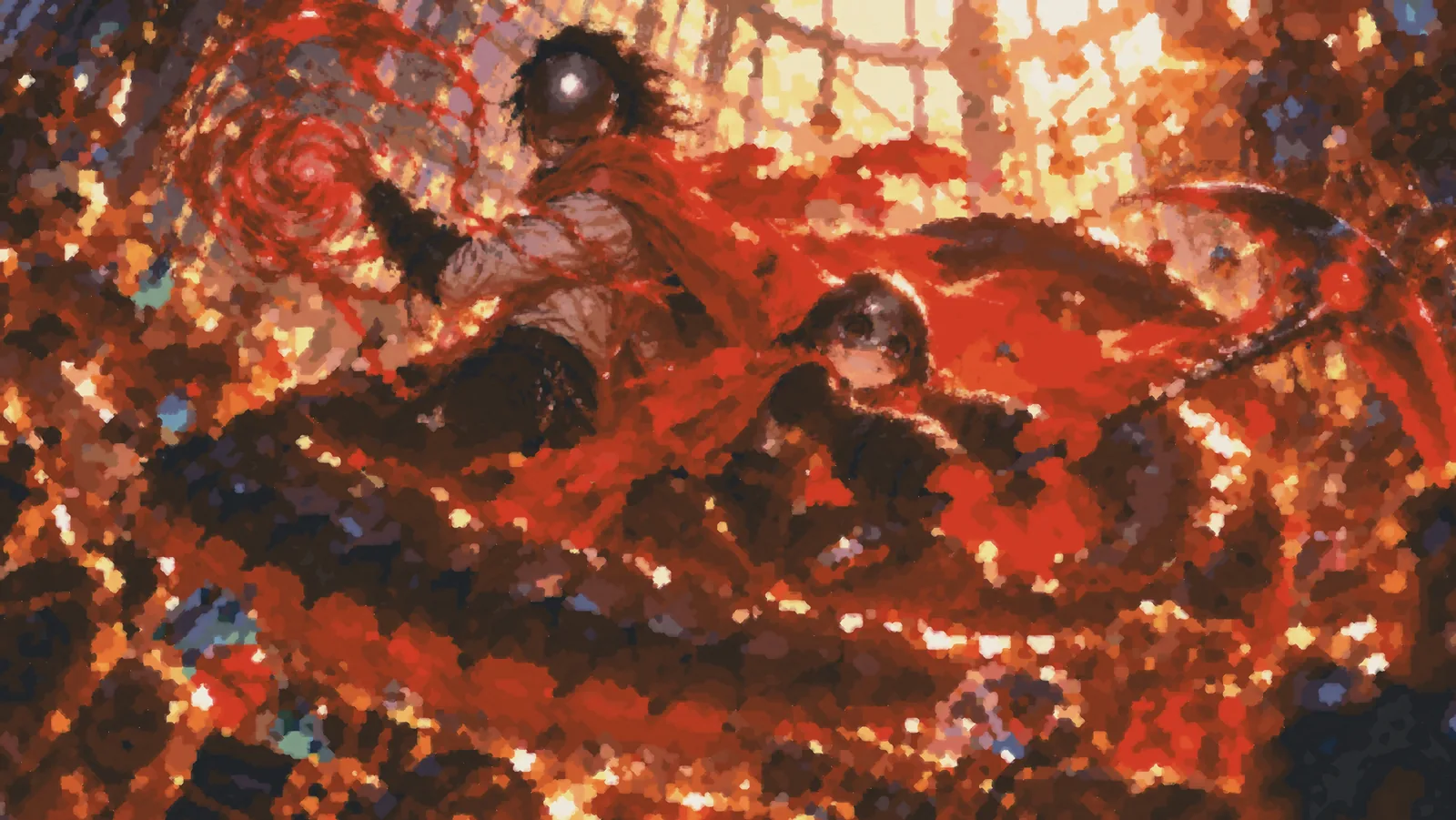
Opus medium went furthest. About 900,000 strokes, each one placed only where the canvas still
differed from the picture. It got the average color error, how far its colors sat from the
picture's, down to about 5.9. On that scale 2 or 3 is a difference you can only just see.
That's why these look so much like the reference. It's also why they're less creative. They
copied the crunch, the noise and the treasure pile that never turns into objects.
The measuring recipe, step by step
1. **Paint a color chart first.** Mix test patches from the tubes and measure what each one
really looks like on the canvas. Opus low made 160 and Opus medium about 540. Opus max wrote
its own model of how the simulator mixes pigment and checked it against 40 swatches.
2. **Match the picture to real paint.** Opus low grouped the picture's colors and found 29 mixes
for them, at an average color error of about 8. Sonnet medium found, for every cell, the pair
of mixes whose blend came closest.
3. **Follow the edges.** Work out which way the edges run in the picture so the strokes follow
them.
4. **Coarse to fine, drying in between.** Big brushes for the masses, let it dry, smaller
brushes, let it dry, all the way down to the highlights.
Opus medium's brushes went from 10 canvas units wide down to 0.4, and it re-measured before every
layer. With all the drying waits added up, that's about 61 years of simulated painting time.
## How differently they painted
**Sonnet low** never got a second message and still made three versions, starting over twice.
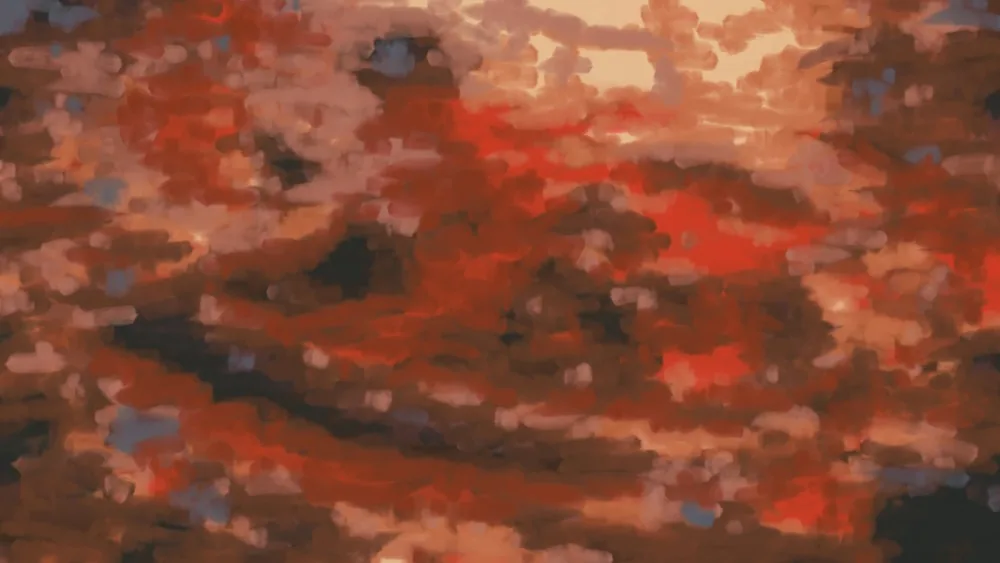
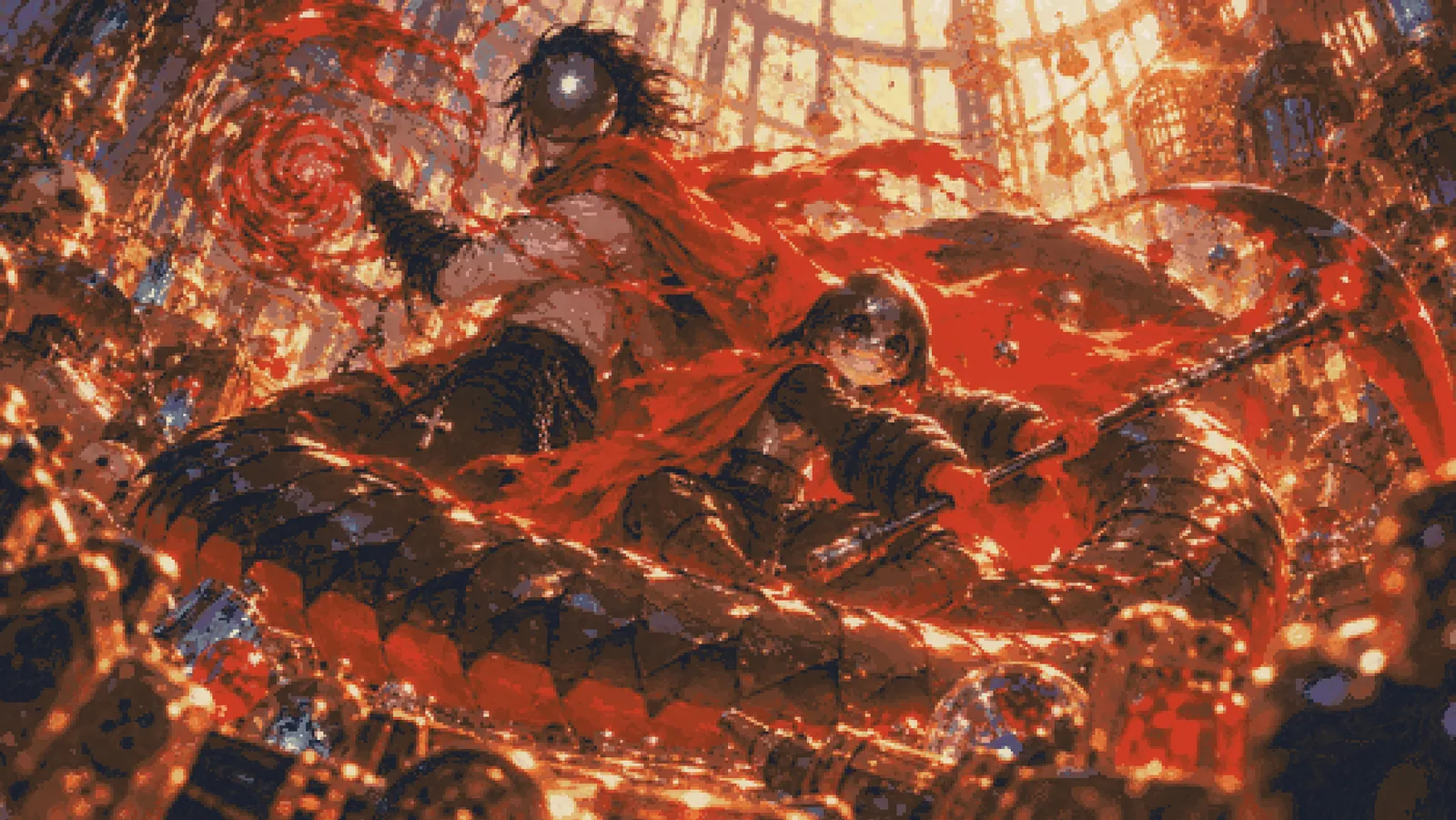
The third laid paint as a grid of small square dabs, so up close it reads almost like pixel art.
Its stages, and the replay it made when I asked:
Stage 1Sonnet low · massesStage 2Sonnet lowStage 3Sonnet low
**Sonnet medium** made the most beautiful middle stage. Its base layer mixed 25 piles of paint
per brushload into a soft, muddy smear. Once that dried, it laid smaller, mostly single-color
strokes on top, and I'd happily stop there:
The muddy underlayer25 piles per brushloadThe mid-scale passsmaller, mostly single-color strokes over the dried layer
**Haiku max** painted over the whole serpent. About 50 seconds into its time-lapse, after hours
of tiling it with diamond scales, it covers all of it in flat dark green and starts again. That's
exactly what people do. It's also the only time-lapse with a clock, and I wish they all had one.
The replay skips the drying, roughly 300 simulated days of it.
More from each session
**Sonnet medium** went on to 114 chunks, with each color region painted through its own mask and
a finer pass on the two faces, the scythe head, the swirl and the shirt. Some chunks hit the
simulator's 10-minute limit and were lost, so it split the work smaller. It called the result "a
coarse mosaic of paint dabs", which is fair.
**Sonnet max** found a note in the repo before it started. It warned against copying a photo's
colors pixel by pixel, the "digital look" the simulator exists to avoid. So it said it would work
like a human copyist instead, reading positions off a ruled grid. It also swapped the default
14 tubes for the full pigment box, for the cadmium reds and Indian yellow. By the end it
had laid about 400,000 strokes over 148 hours of brush time, and its own description of the
time-lapse is "the fine-detail passes sharpen the picture in bands across the canvas". Whatever it
meant to do, it ended up measuring like the others.
**Opus low and Opus medium** both started their second versions on a fresh canvas. Opus low said
why: "the crude shapes from version 1 would have shown through anything I put on top." Both hit
the same wall too. The default box of 14 tubes has no crimson, so the reds run orange. Opus medium
tried glazing them, laying thin see-through paint on top, and found it can't push past vermilion,
an orange-red. Opus max used the full 54-tube box and is the only one whose reds go properly deep.
Opus medium also painted Jefrie's face by hand at one point, didn't like it ("a flat cartoon"),
and wiped it off with a solvent-dipped rag while it was still wet. And its teeth wouldn't show
up. It had looked at the picture at too low a resolution, one pixel per canvas unit, which blurred
the teeth into the gaps between them. So it re-analyzed the faces at two and three times the
resolution.
**Haiku low** was hard on itself. It called its second version "a rough study" and named its own
problem: "I've been placing big masks and then checking the look, which produces blocks rather
than forms." It said the next pass should go figure by figure with a pencil sketch first. That's
the right diagnosis, and none of them did it.
**Haiku medium** did a smaller version of Haiku max's paint-over. A glow pass covered BloodTailor
entirely, so it rebuilt him from his old positions.
A Haiku session painting this same picture also put a post about it on this blog when I asked,
and it [took the live site back two months](https://aaronorelup.com/ledger/the-branch-that-went-live/) for eight minutes.
Here are two of them lit from above, the way they'd hang on a wall, so the ridges of paint catch
the light:
Opus · low, gallery lightSonnet · max, gallery light
## The printing press, and how Opus max broke it
One thing bothered me. Almost every model painted like a printing press. Pick a brush size, run
it over the whole canvas band by band, then go smaller. The face gets the same care as a blurry
jewel in the corner, when a painter would put the detail where the eye goes.
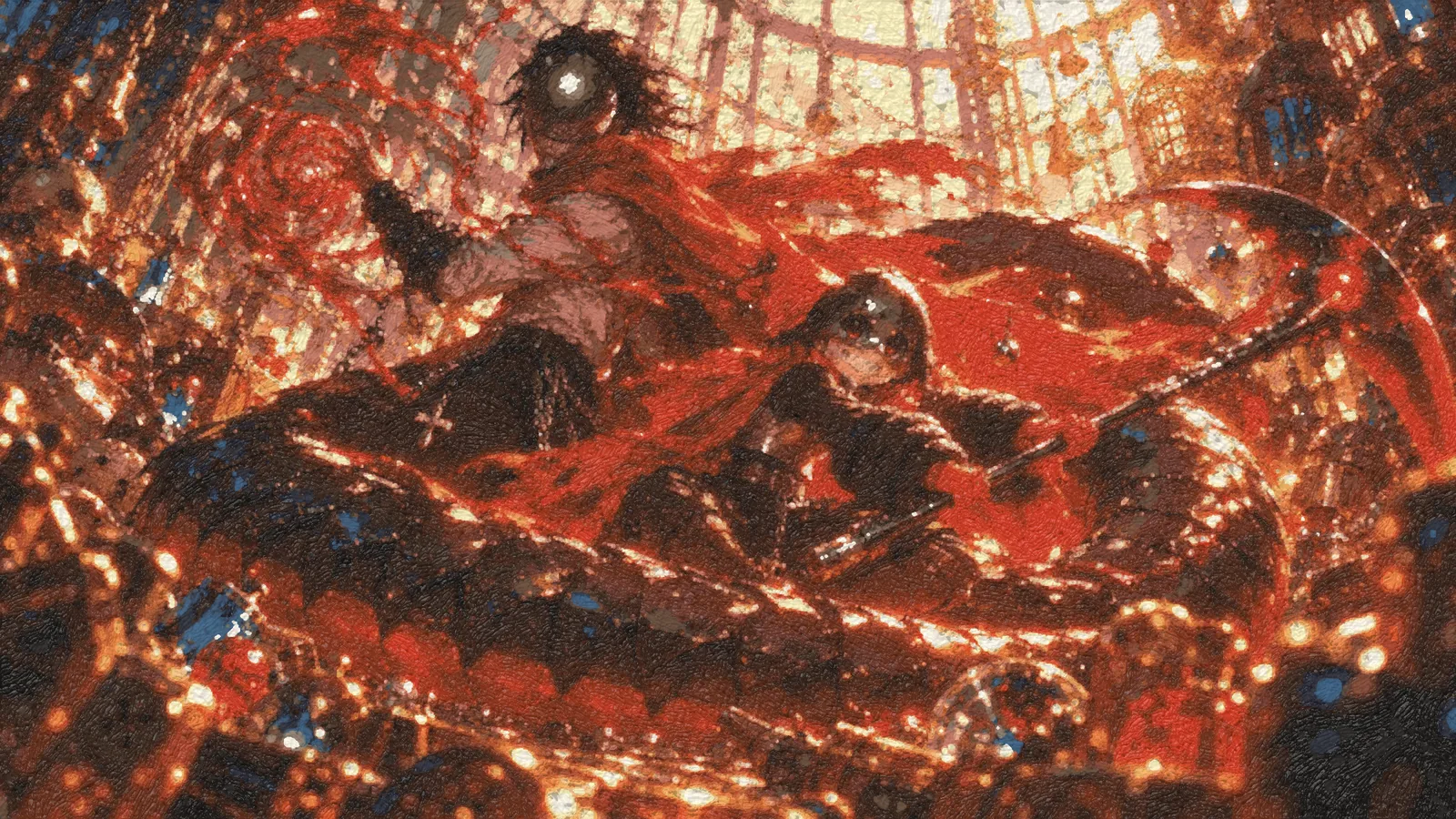
Sonnet medium did give the faces a finer pass. Opus max went further and broke the pattern at
the very end. Its time-lapse labels every stage. A filbert is a flat brush with a rounded end,
and a round has a point.
| Stage | Brush | Strokes |
|---|---|---|
| 1 · lay-in | filbert 30 | 2,952 |
| 2 · masses | filbert 17 | 5,993 |
| 3 · forms | filbert 9.5 | 14,203 |
| 4 · drawing | filbert 5.5 | 45,600 |
| 5 · detail | filbert 3.2 | 97,385 |
| 6 · fine | pointed round 1.9 | 175,003 |
| reds restated | filbert 2.3 | 94,027 |
| faces | round 1.3 | 27,747 |
| blade, gem, hands | round 1.6 | 32,608 |
| glints | thick white touches | 1,106 |
| deep crimson glazes, varnish | | |
| **finished** | | **496,624** |
The first six stages are the printing press. After that the faces get their own small brush
and the blade, gem and hands get another. A thousand thick white touches make the glints, and
glazes deepen the reds. I was really happy to see that. My other favorite, the full two and a
half minutes:
Against the ChatGPT picture, drag the divider:
Reference against Opus maxreference 1672×941 shown at the painting's 2400×1351
## Jefrie's face, up close
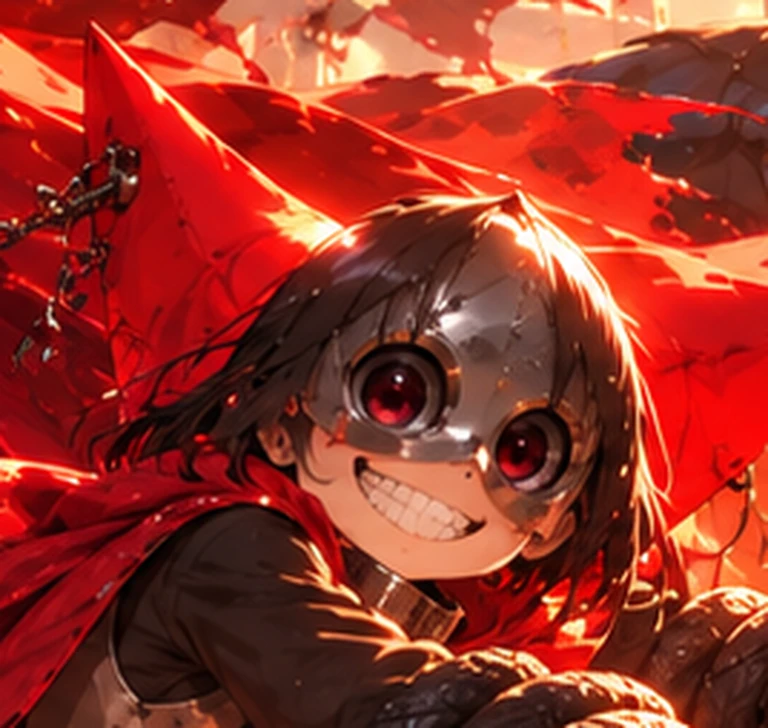
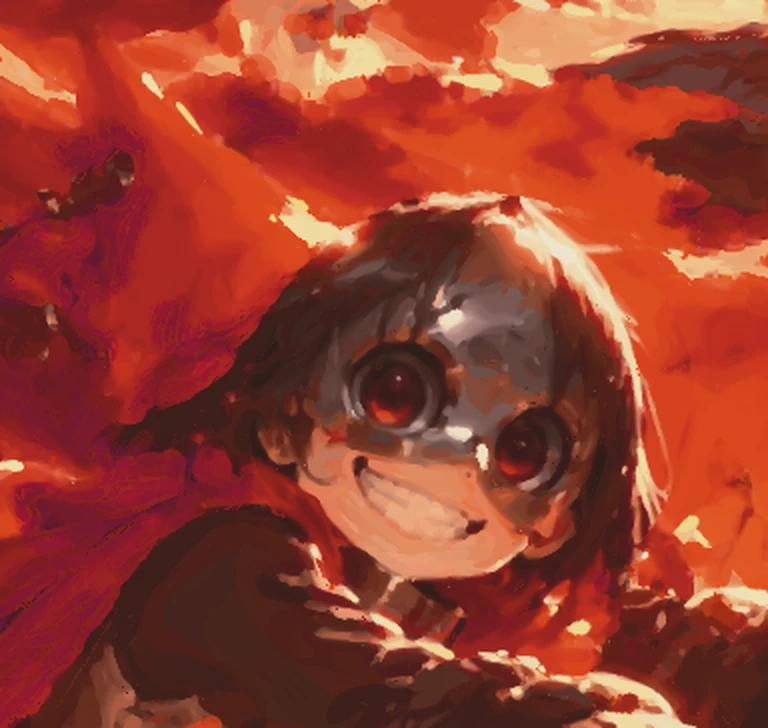
Her face in both, at the same framing:
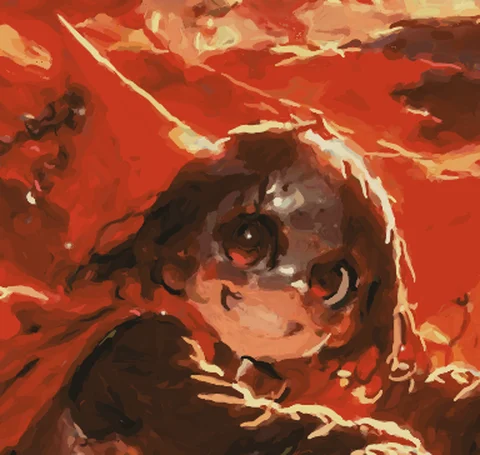
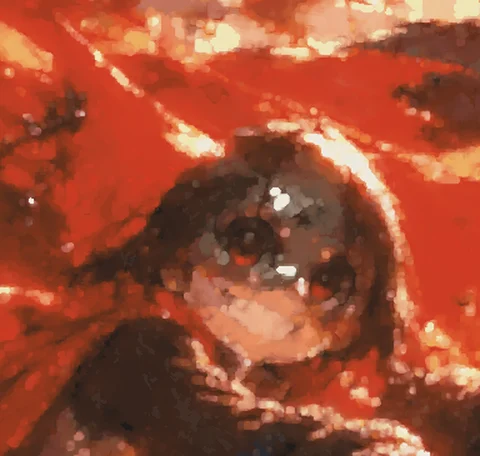
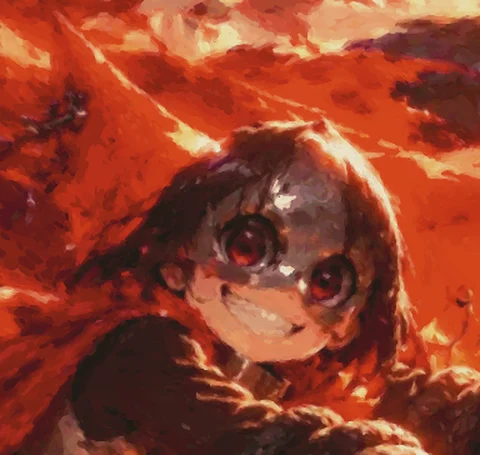
Jefrie, reference and Opus maxthe same crop of both, the reference enlarged about 2.9× to match and the painting 2×
It kept the mask's shine, both red eyes, the grin and the hair over the mask. It couldn't keep
the crispness. Brushstrokes soften every hard highlight, and the teeth are a row of cream dabs.
That's the medium as much as the model, and it makes me want to try others.
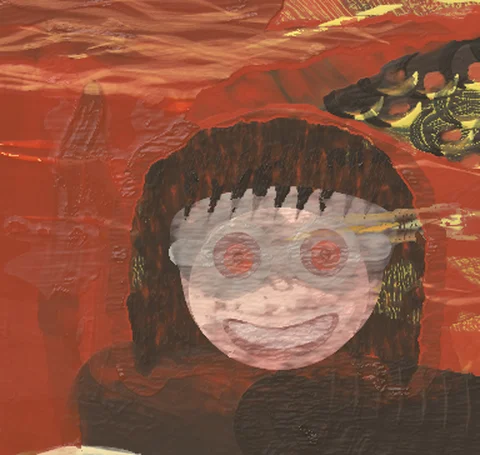
The same face across eight versions:
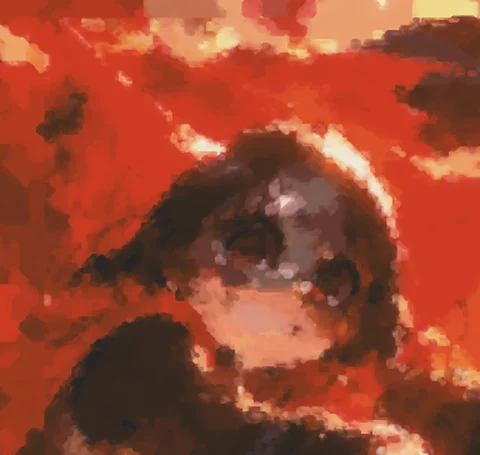
Opus · medium · v1Opus · medium · v2Opus · low · v2Sonnet · maxSonnet · mediumSonnet · lowHaiku · maxOpus · max
Each method shows in a small patch of canvas. Sonnet low's grid, Sonnet medium's mosaic, Opus
medium's traced lines, Haiku painting the idea of a face. None of them knew who these two were.
The transcripts call them "the man" and "the child", and Sonnet low saved its file as
`hellsing_painting.png`.
## What I want to try next
- **Measure for the shapes, then take the ruler away.** Let it check against the picture for the
big shapes so the proportions are right, then forbid it for the details. A crew of Opus agents
tried this next, in [Crimson Coil](https://aaronorelup.com/ledger/crimson-coil/).
- **Opus max, by eye only.** Same model and effort, but no checking against the reference with a
script. It can only look.
- **A new picture, not a copy.** The same two characters in the same place, from a different
camera angle and pose. Then there's nothing to copy from, only to learn from.
Why bigger paintings are hard
The simulator paints every painting at 2400 pixels wide, and it simulates every pixel of paint:
wetness, thickness, what's underneath. A full-canvas pass takes minutes of computer time, and
Opus medium's last full-canvas sharpening pass took about two hours on its own. Doubling the
width is four times the pixels. A few ideas I haven't tried:
- **A second, finer canvas just for the faces**, painted on its own at high resolution and set
into an enlarged copy of the whole. The risk is a seam, and brushwork that suddenly changes
scale.
- **Tiles.** A brushstroke only touches the paint near it, so a big canvas could be cut into
overlapping tiles, each painted by its own session at the same time, then joined.
- **Resolution where the brush is small.** Simulate the background coarsely and only the
fine-brush passages at full resolution. That needs a change in the simulator itself.
Any of these would let the detail go where the eye goes.
 ChatGPT made the picture, and it has a lot wrong with it. It's really crunchy and noisy all
over. I picked it anyway for the pose, the proportions and the colors. The two of them also star
in [my fighting game](https://aaronorelup.com/ledger/storm-bell-fighter/).
What came out of it:
- **Haiku painted by eye every time.** Even at max effort it never measured, and it ended least
like the picture.
- **Sonnet and Opus measured, and copied the mistakes.** All six of their finals were steered by
the picture, and ChatGPT's crunch and noise survived the trip into oil.
- **Almost all of them painted like a printing press.** One brush size per pass over the whole
canvas. Opus max broke that at the end with its own brushes for the faces.
The nine finals. Click one to zoom in. In the captions, a chunk is one piece of painting code
sent to the simulator.
 It honestly feels like art to me, like what a student paints in their first month of oil. The
serpent became rows of round scales because scales are round, the treasure became lumps, and
Jefrie became a round face with a big grin. It changed the picture instead of copying it, and
you can read every one of those decisions.
The other first tries: