A generated crate survives being cut from 700,000 triangles to 3,000, if Blender does the cutting
Claude made a crate, a barrel and a lantern in 3D on my laptop and on Higgsfield, then cut the laptop ones down to 30,000, 3,000 and 300 triangles four different ways. The generator's own triangle setting wrecked them below 30,000. Reducing the full model in Blender held up at 3,000 on all three, and 300 broke in a way I liked.
On 25 and 26 September I had Claude make three game props in 3D, a crate, a barrel and a lantern, then cut them down to 30,000, 3,000 and 300 triangles to see what survives.
Asking the generator for fewer triangles broke almost every model below 30,000. Letting it make its full model of about 700,000 and reducing that in Blender kept all three intact at 3,000. At 300 nothing held up, and I ended up liking that look anyway.
The props are the boring kind every game needs a hundred of, which is why I care about the triangle count. A 700,000-triangle barrel is fine on a turntable and absurd on a dock with twenty more beside it.
Three props, one picture each
The agent made one reference picture per prop with Flux.2 Klein 4B on my laptop, five to eleven seconds each. Both 3D pipelines got the same three pictures.
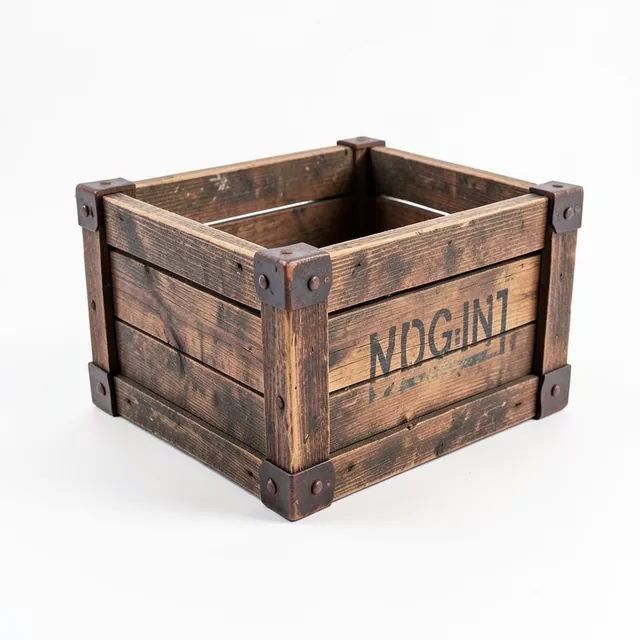
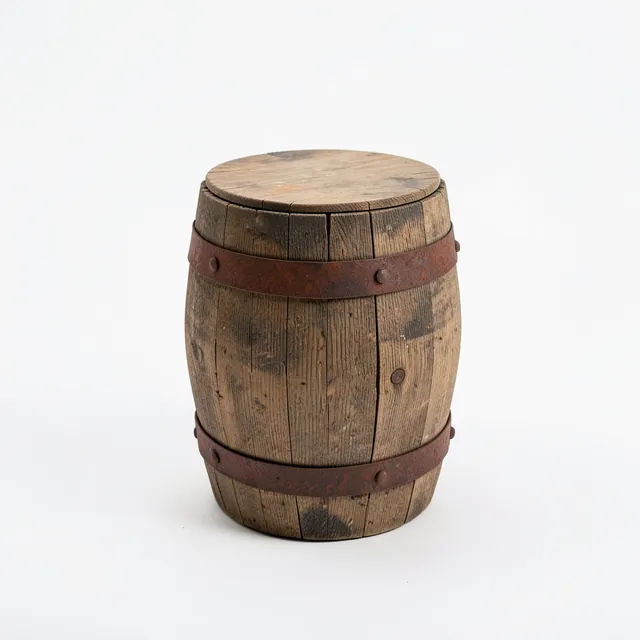
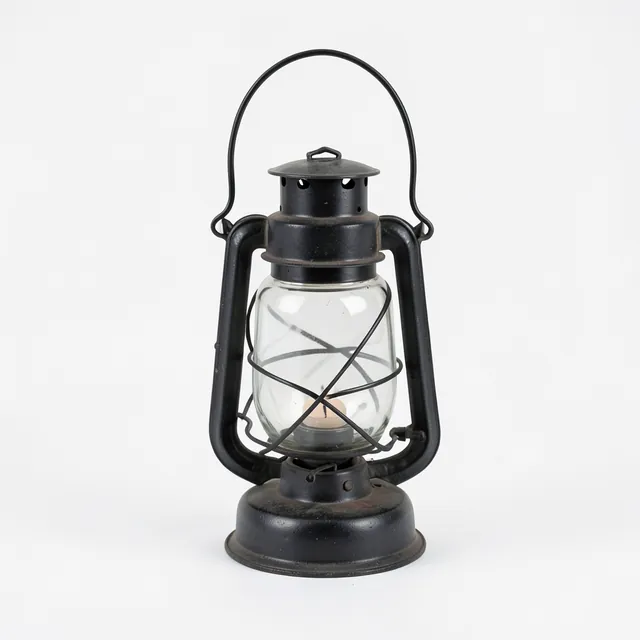
My laptop against Higgsfield
My first request was a straight comparison: “compare our 3d models for basic assets vs higgs field. Tell me how long the local one took to generate and how many credits the higgsfield took.”
Locally the models came from TRELLIS.2 in ComfyUI on my 8 GB laptop GPU. On Higgsfield they came from its Multi-Image to 3D, which charged 30 credits a model, 90 for the three, and its transaction log agrees.
| Prop | Laptop, TRELLIS.2 | Higgsfield |
|---|---|---|
| Crate | 828.6 s · 699k triangles | 30 credits · 4 m 22 s · 26k triangles |
| Barrel | 268.6 s on the third try, 1,066.6 s across all three · 296k triangles | 30 credits · 4 m 08 s · 30k triangles |
| Lantern | 280.6 s · 674k triangles | 30 credits · 4 m 09 s · 30k triangles |
The barrel ran out of GPU memory twice at the default settings, and lowering one remesh setting from 768 to 512 fixed it. The three Higgsfield jobs ran at the same time, so that whole set took about four and a half minutes; on the laptop they queue one at a time.
Here they are in the same preview render.
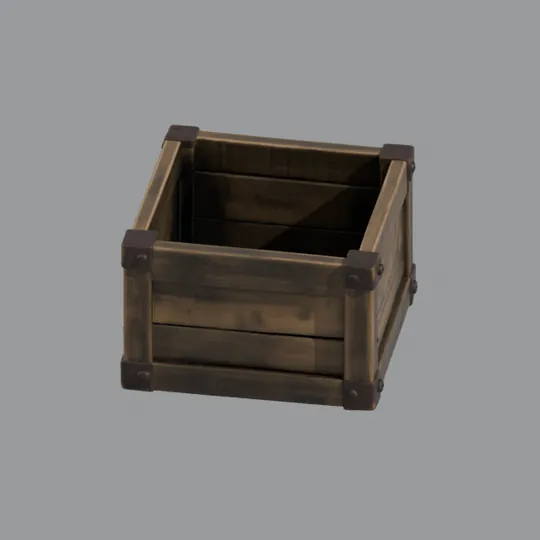
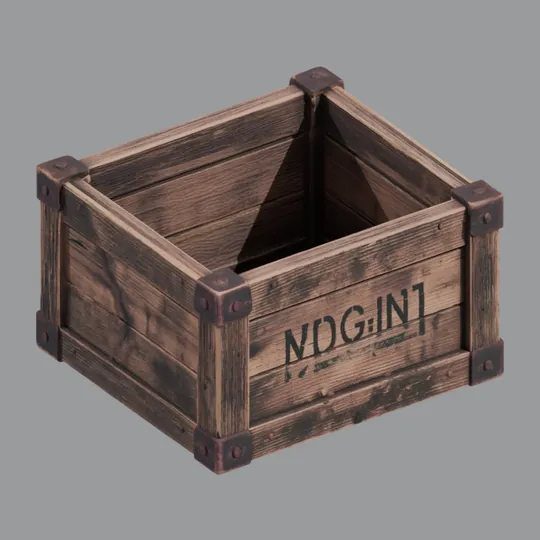
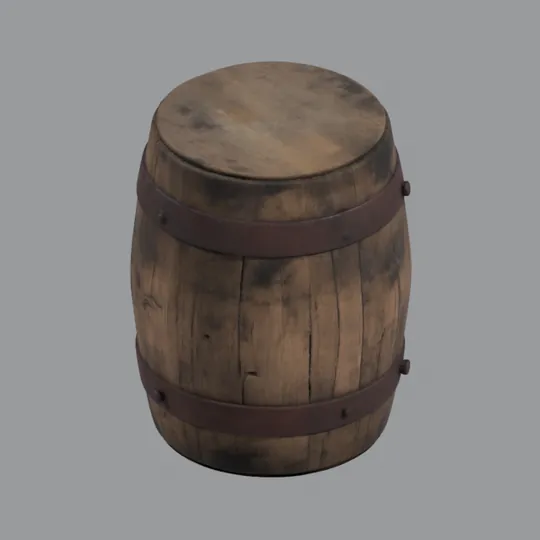
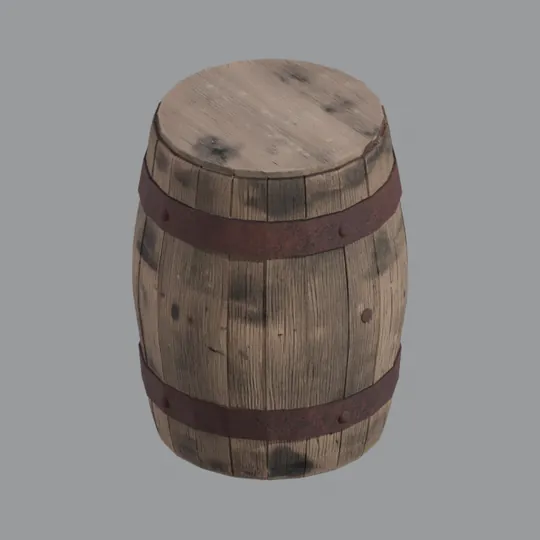
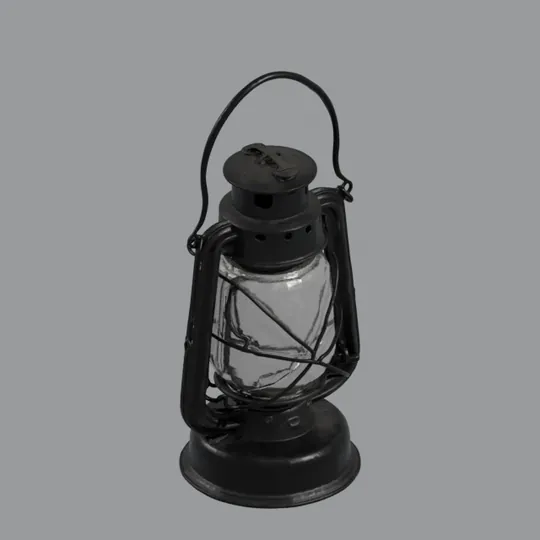
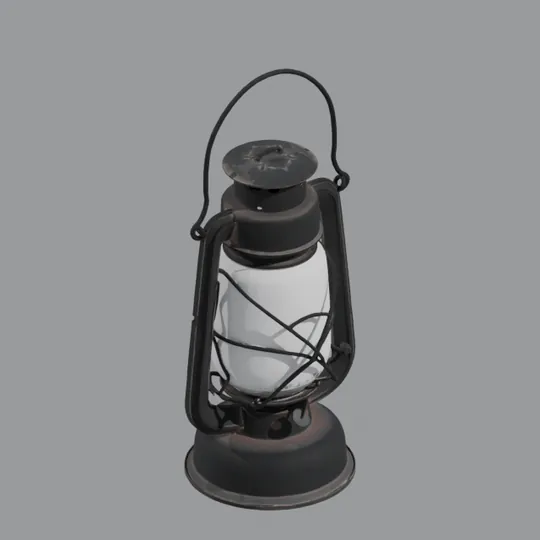
The difference that mattered for a game wasn’t in the pictures. Higgsfield’s models arrive at about 30,000 triangles, ready for an engine. The laptop’s arrive at 300,000 to 700,000 and need cutting down. So I asked whether there was “a consistent and easy way to reduce the number of triangles”.
The easy way was the wrong way
The agent said yes: the TRELLIS.2 workflow has a triangle target built in, node 186, set to 700,000 by default. Set it to 30,000, it said, and the detail moves into the textures. It also said it hadn’t tested low numbers. I asked it to test 30,000, 3,000 and 300 that way, and to try reducing the finished models in Blender as well, so I could compare.
It had to wait two hours first: two other sessions had the GPU. When its turn came it joined the queue and sent the session ahead of it a note. One of that session’s jobs had slipped onto its time, and at that session’s request it interrupted just that job. Its runs went long, so it extended by 40 minutes and apologised to the session waiting next. It held the GPU for 1 h 13 m.
The result reversed its own advice, and it said so in its first line: “The test shows my earlier advice was wrong.”
Each grid below is one prop. Rows are the four routes, columns the target, and every cell says how many triangles it really ended with. The Clay button swaps every cell for a flat grey render where the facets show, and it switches all three grids at once.
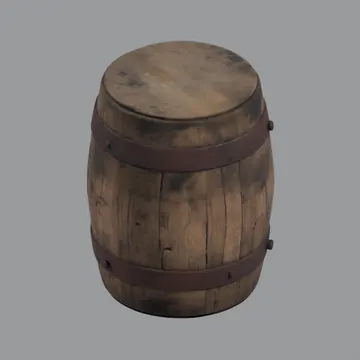
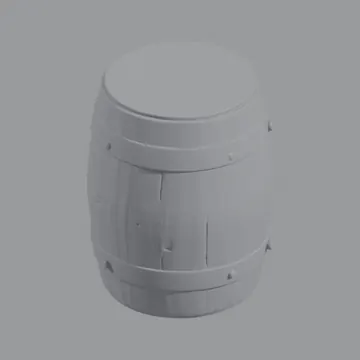
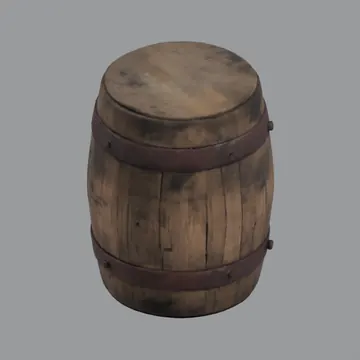
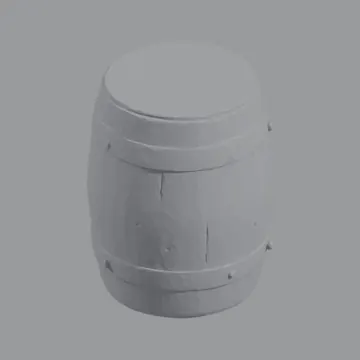
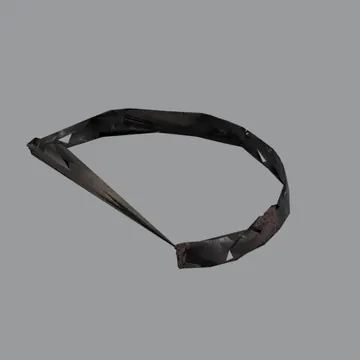
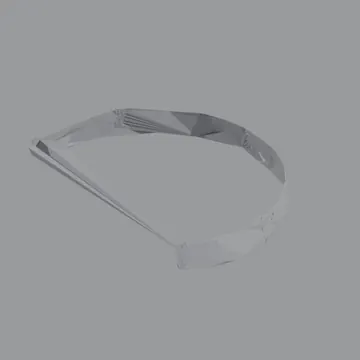
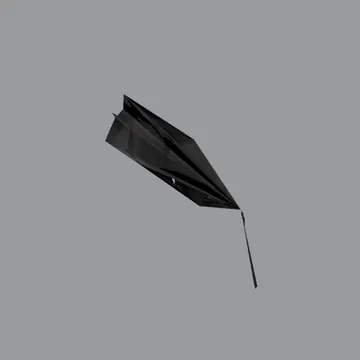
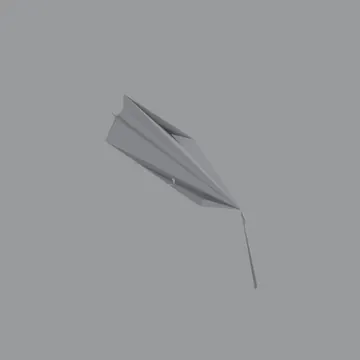
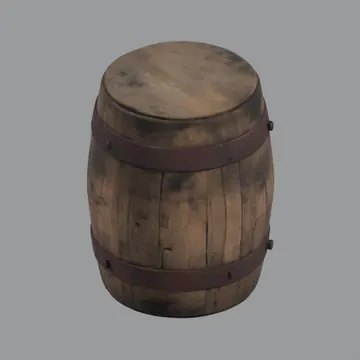
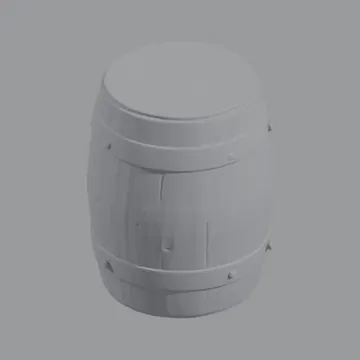
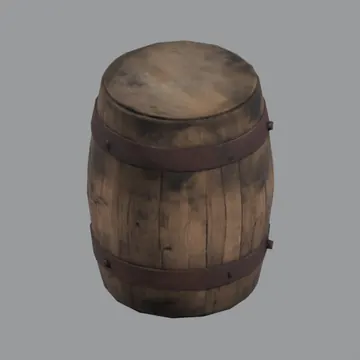
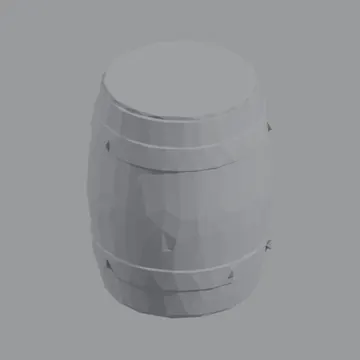
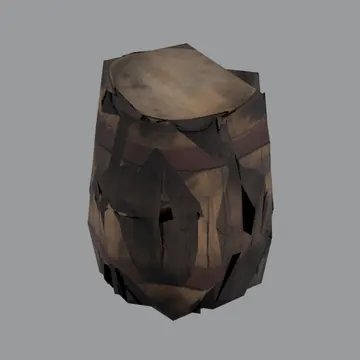
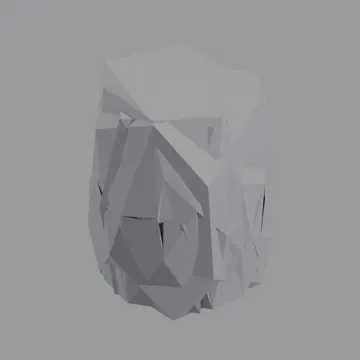
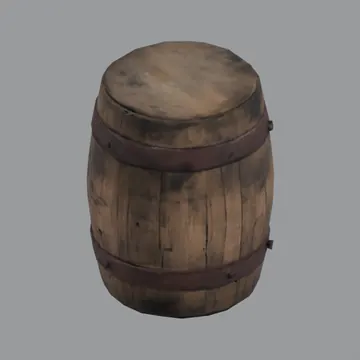
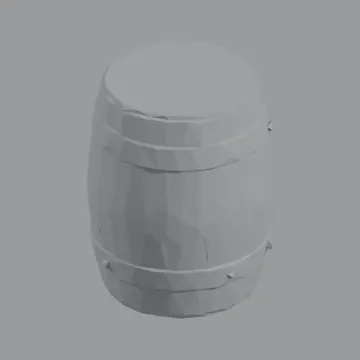
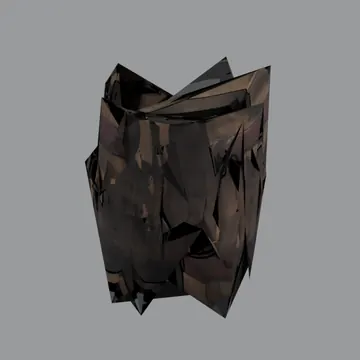
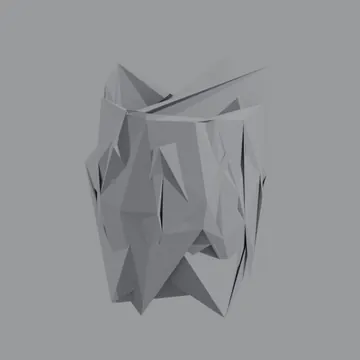
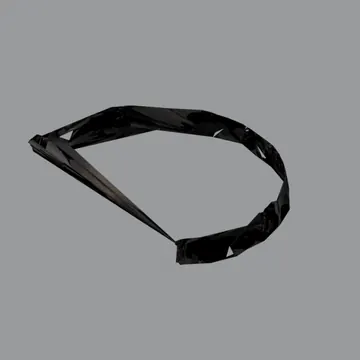
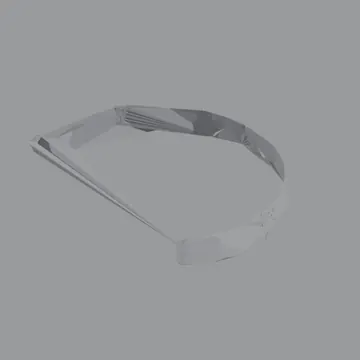
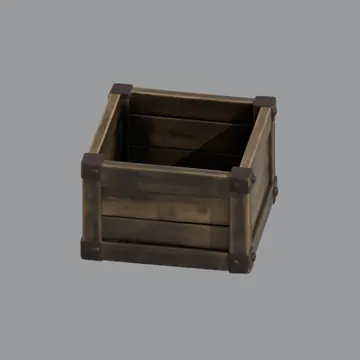
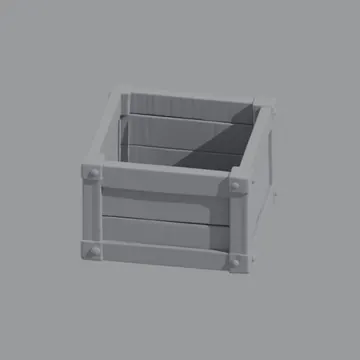
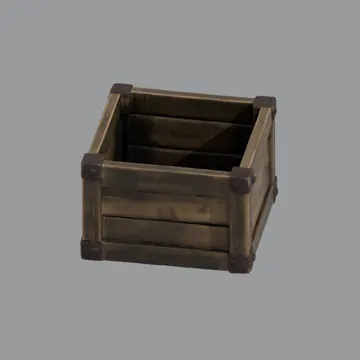
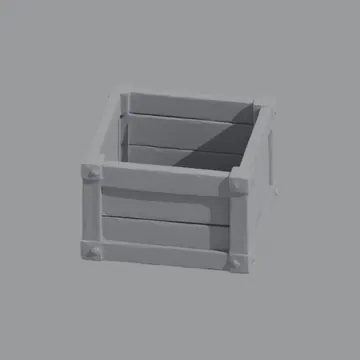
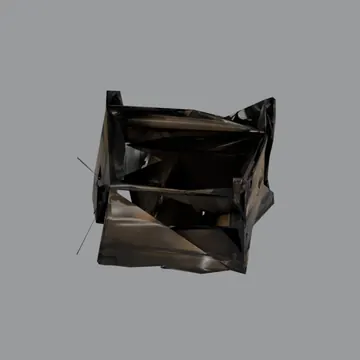
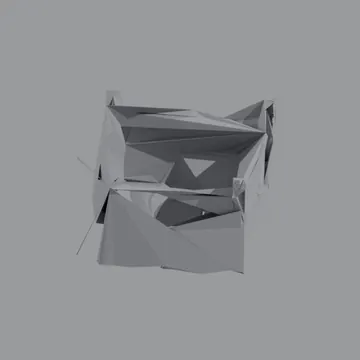
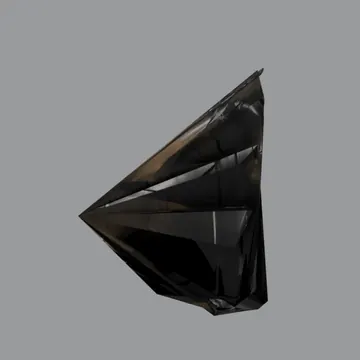
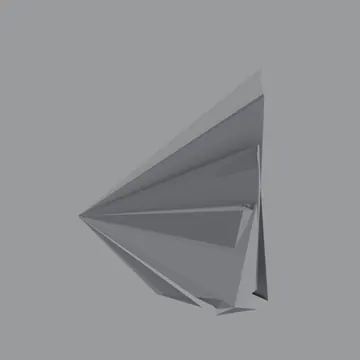
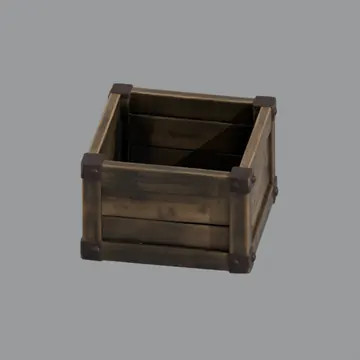
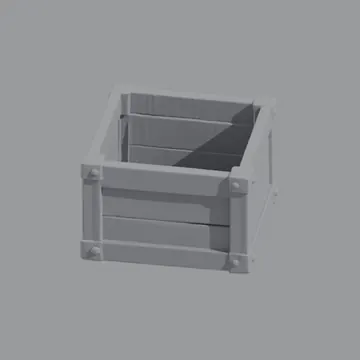
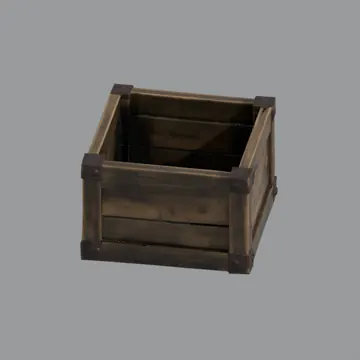
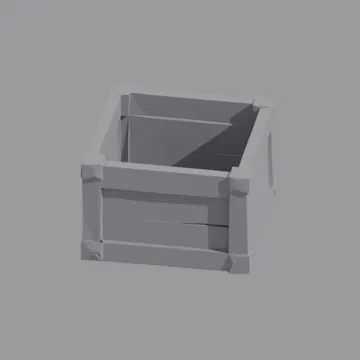
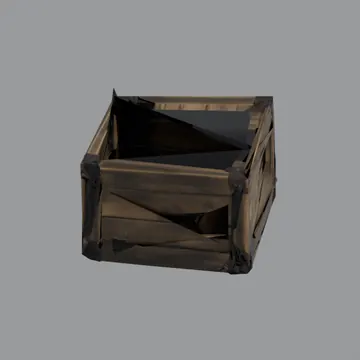
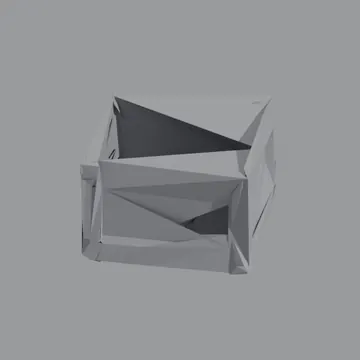
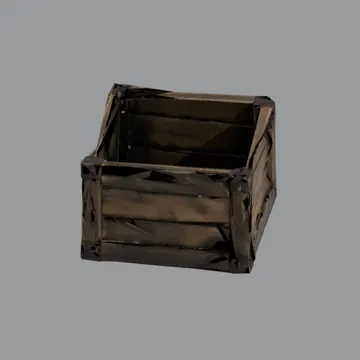
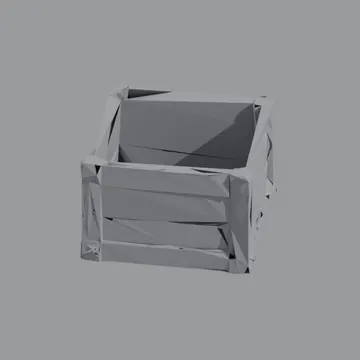
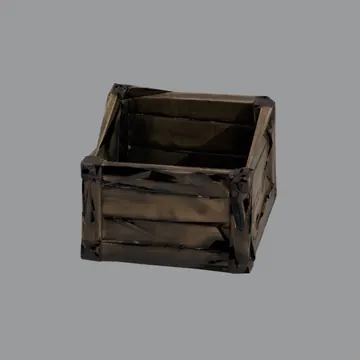
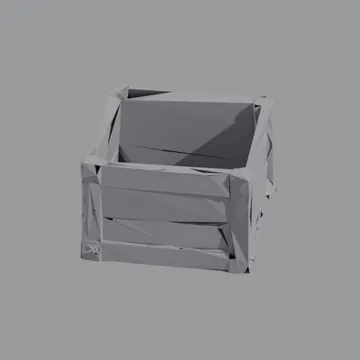
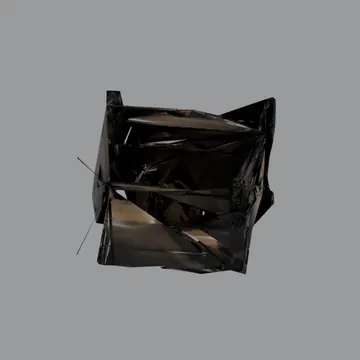
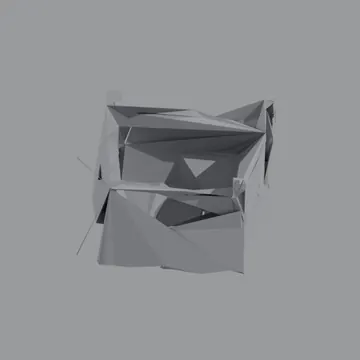
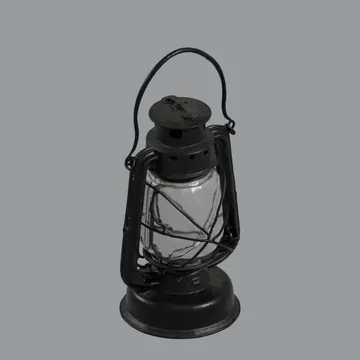
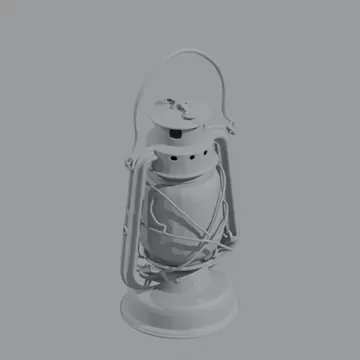
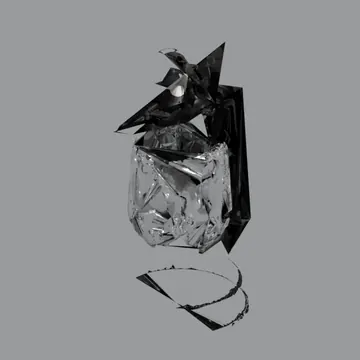
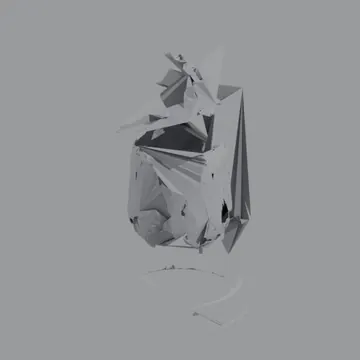
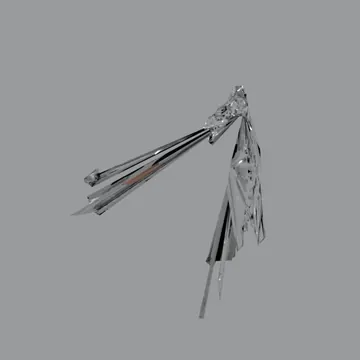

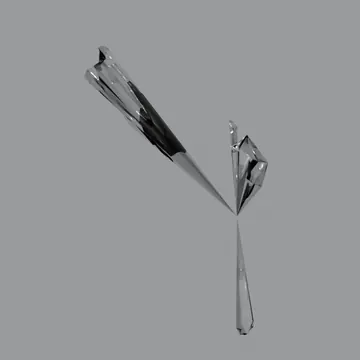
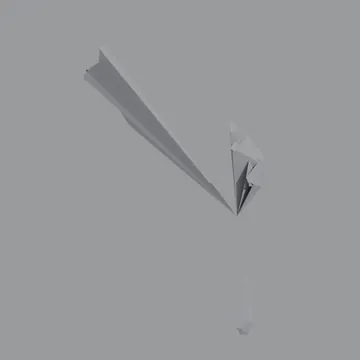
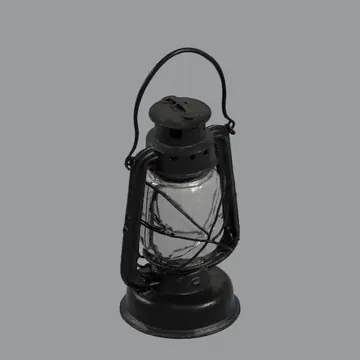
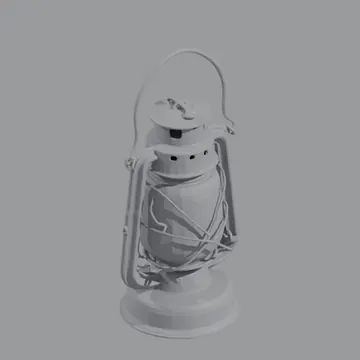
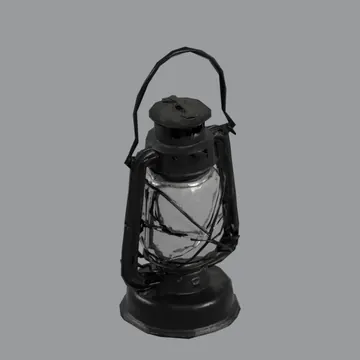
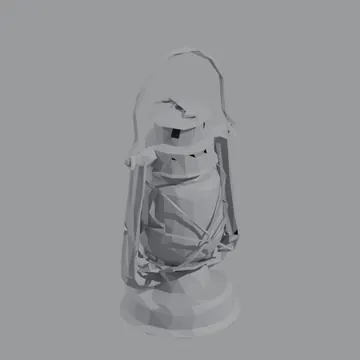
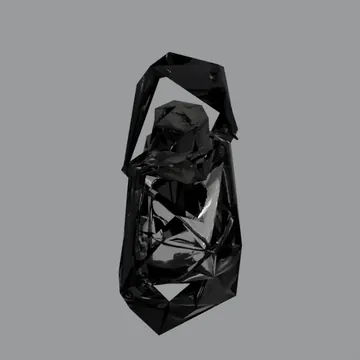
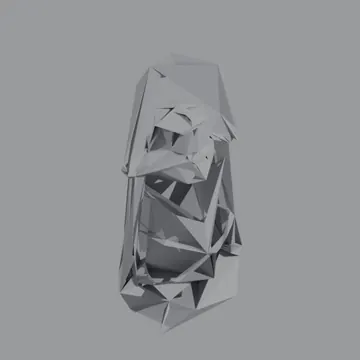
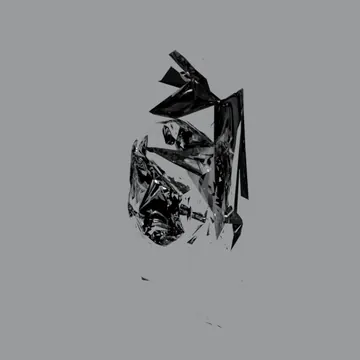

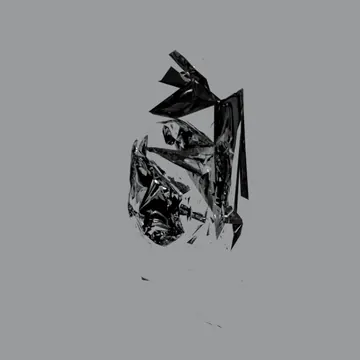

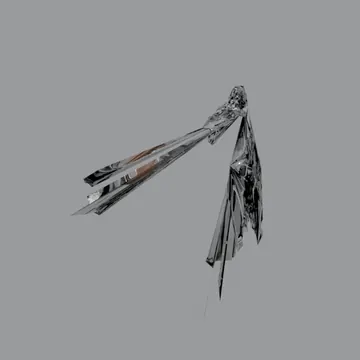
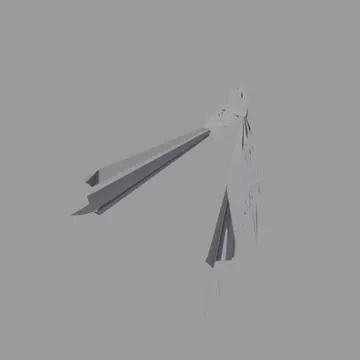
TRELLIS.2’s own setting was fine at 30,000 for the crate and the barrel and broke everything else, including the lantern at 30,000. Blender, starting from the full model, held up at 30,000 and 3,000 on all three, in 54 to 119 seconds on the CPU with no GPU at all. Asking TRELLIS.2 for fewer triangles didn’t save time either: those runs took 133 to 778 seconds, about what a full run takes.
Blender needed a trick to get there. Its plain reduce stalled at about 160,000 on these models, because TRELLIS.2’s meshes come out with roughly 17,000 broken edges. The script rebuilds each model as a clean closed shell first (a voxel remesh), then reduces it, then bakes the textures back on from the original. It still stalls on thin walls like the crate’s planks, and on models that are already low: starting from TRELLIS.2’s 3,000 versions got nowhere, and kept their damage.
300 triangles, in a scene
Nothing reached 300 cleanly. The barrel got there but came out faceted; the crate stopped at 934 and the lantern at 742. I wrote down my rule, generate and cut to 3,000 for lamps, barrels and crates, and then asked anyway: “300 triangles clearly breaks it, but I’m curious what it would look like to have a full game where the minor assets are generated at 30k and decimated to 300 triangles. could you make one 3d scene to test out this idea.”
To reach 300 the agent switched tools to QuadriFlow, which rebuilds a mesh at a count you ask for: crate 260, barrel 286, lantern 332, textures baked on again. It keeps only the largest piece, so the lantern lost its handle and frame. Then it built a dusk dock with 11 crates, 11 barrels and 7 lanterns, and rendered it twice with the same layout, lights and cameras, once with each set of props.
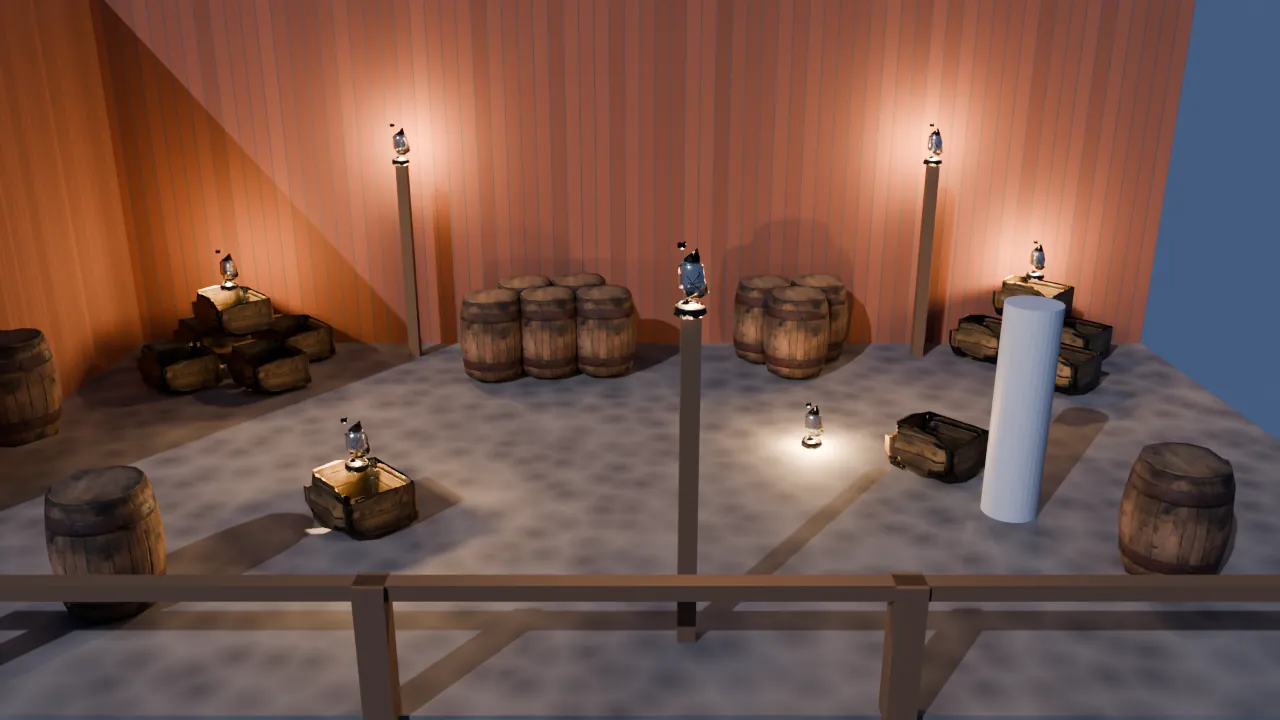
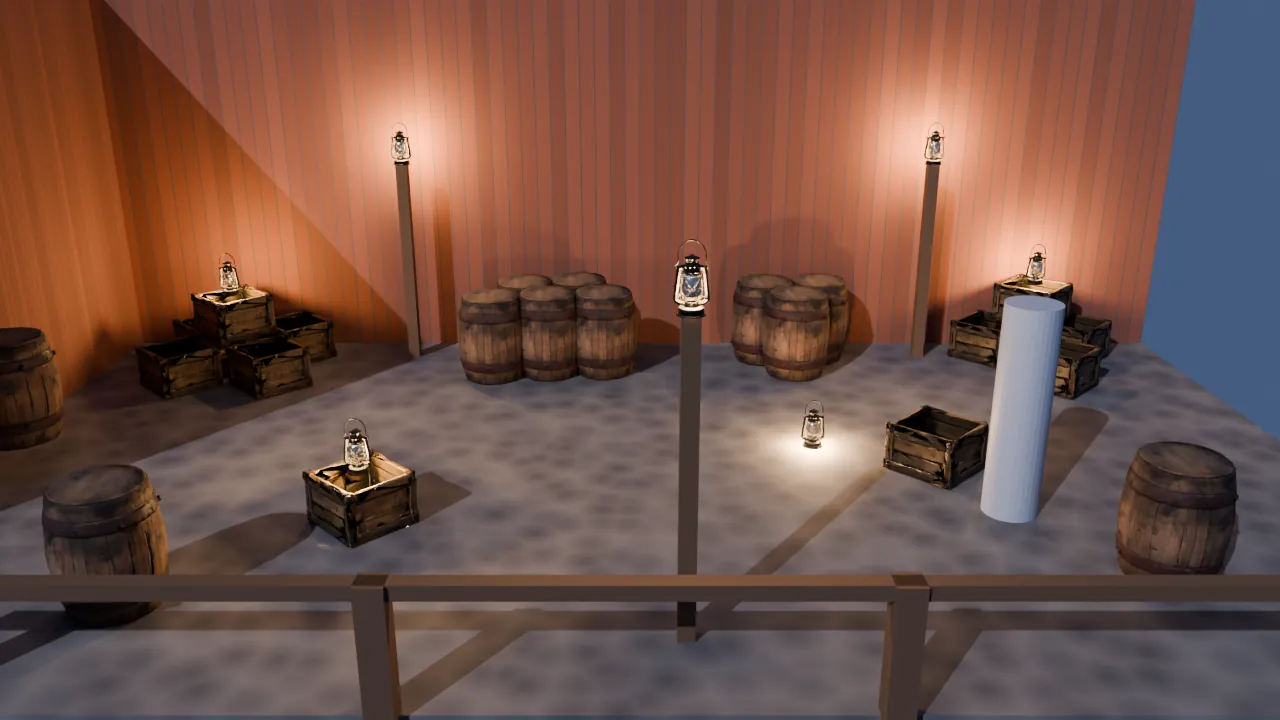
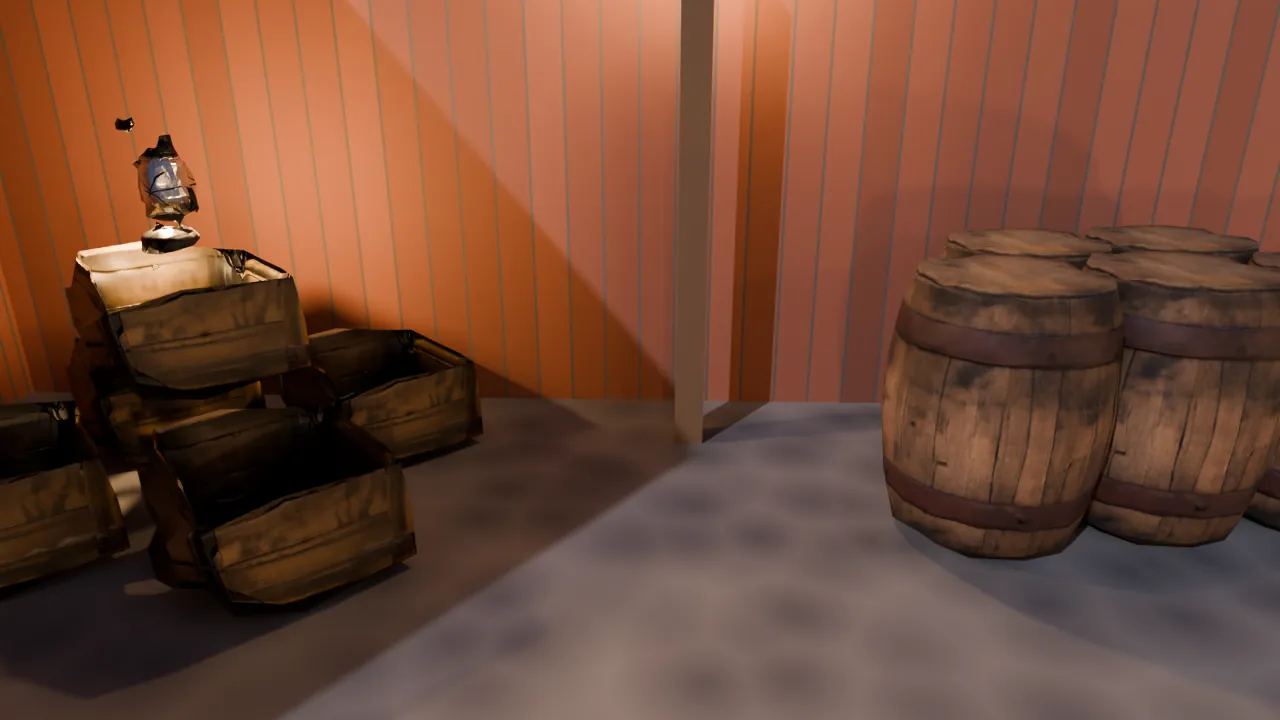
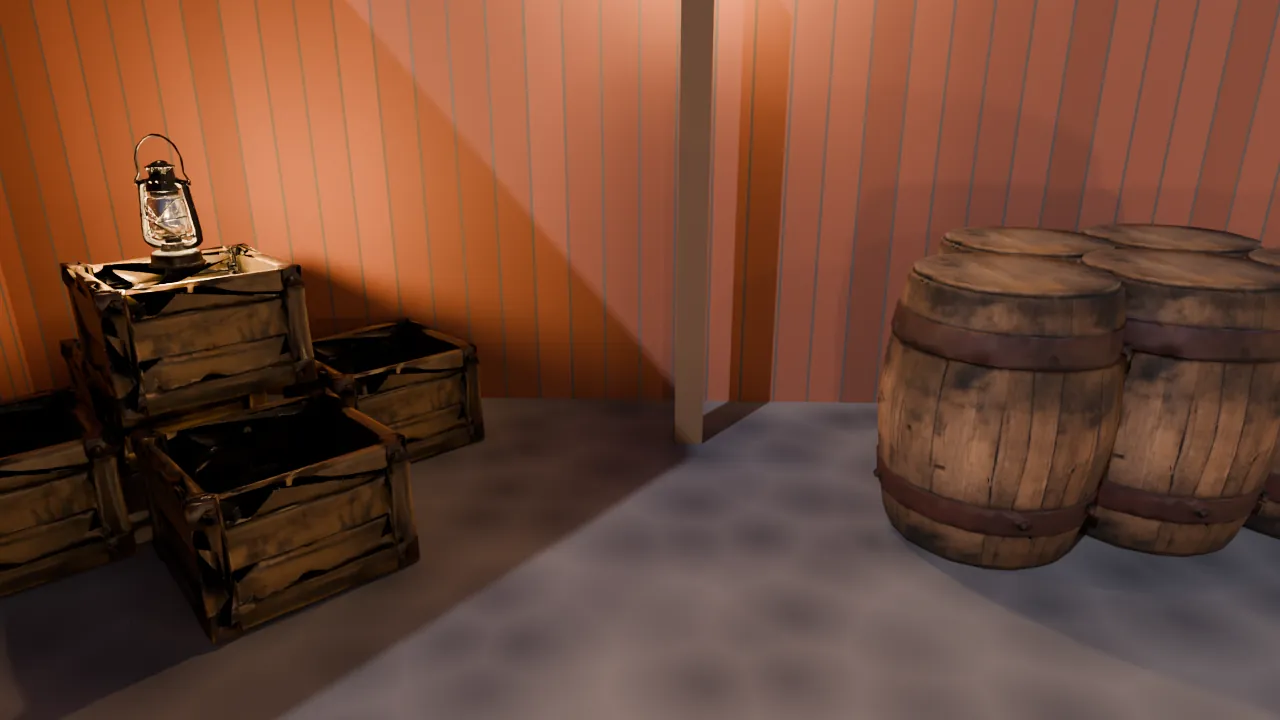
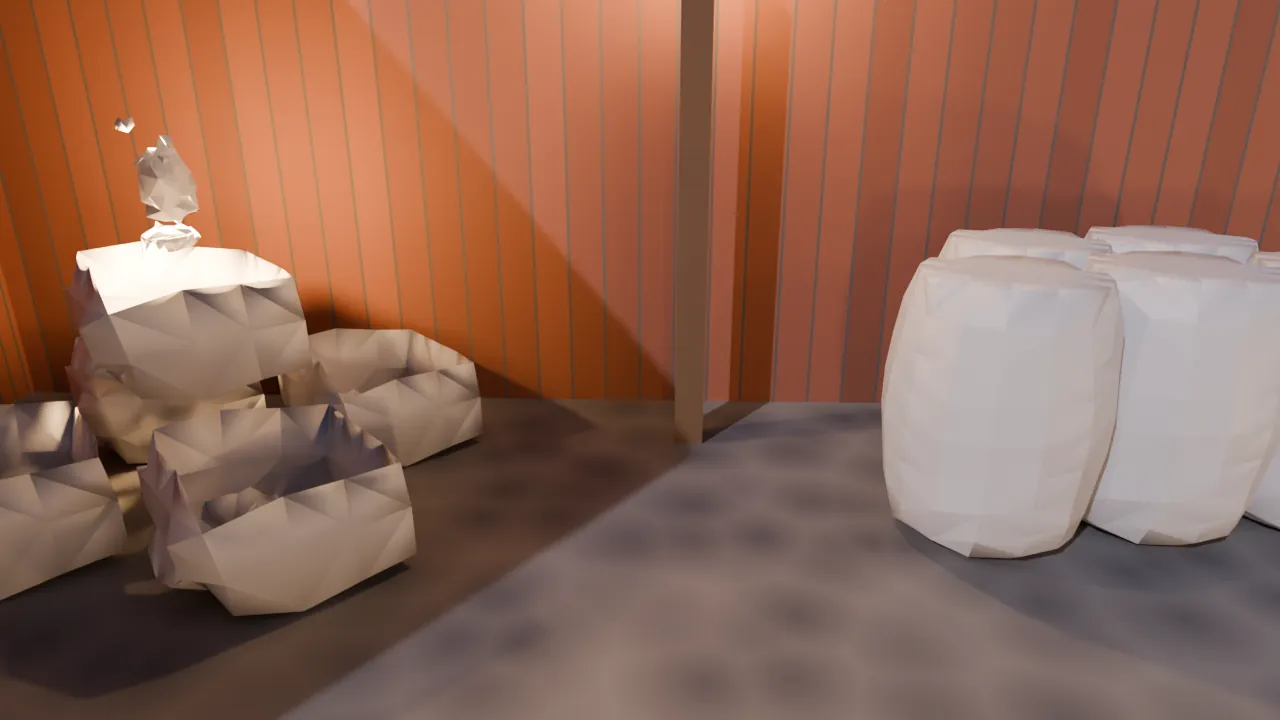
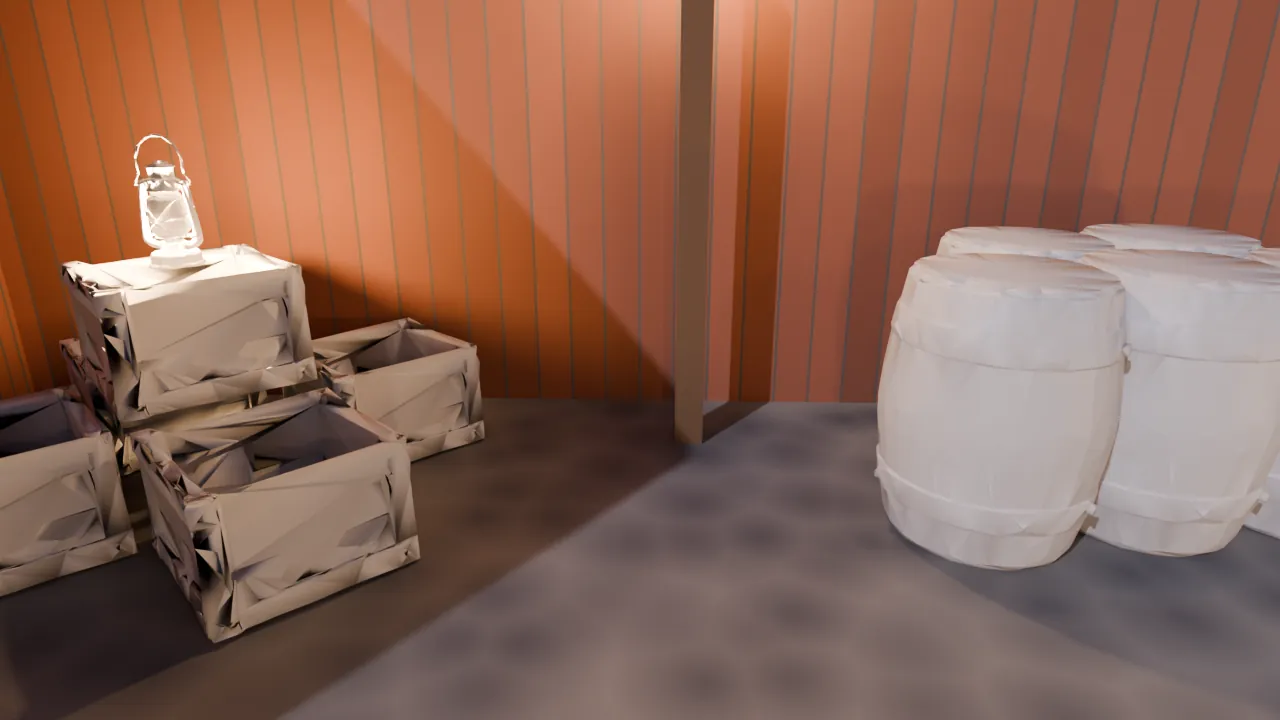
The first renders had the 3,000 scene much darker, which had nothing to do with triangles: its lanterns were closed shells and trapped their own lights. The agent made the shells cast no shadow in both sets before comparing.
Both crates are here to turn over. They are re-exports of the agent’s files with smaller textures, so they load quickly.
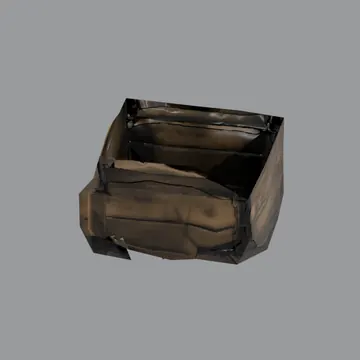
My verdict, as I typed it: “I find the decimated to 300 charming as it’s own esthetic, but the 3k ones are clearly better.”
What I kept
The rule went into my notes in one place: generate with TRELLIS.2 at its default, reduce in Blender to 3,000 and re-bake. The agent added one correction to the rule as I’d first said it. I’d said generate at 30k; for thin, wiry props like the lantern that route shredded, so those start from the full model. The 300-triangle look is written down as an open idea with no decision on it yet. Engines can swap a 300 copy in for a 3,000 one at a distance, and both come from the same model.
The whole thing ran in one Claude Code session with Opus 5.5 over two evenings, $21.50 at API list prices, plus 90 Higgsfield credits. It made 36 models and 110 renders, which is where every picture here comes from.
The setting built for cutting triangles was the one that broke the models. What worked was the long way round: make everything, then take it away somewhere that can see the whole shape first.