About me
Systems engineer in Bastrop, Texas. I build things with AI to find out where it actually
holds up — mostly in service of making learning fun, effective, and available to anyone
who wants it.
Most of what gets said about AI is said by people selling something. I'd rather find out
firsthand. So I build with it — real projects, shipped, used — and I write down what broke.
That's the whole idea behind this site.
The day job
I work in data and systems: SQL Server, Power Query, Python, Excel automation, CRM data,
the reporting plumbing that keeps a business honest with itself. I studied Information
Systems at Cal State Fullerton after transferring from Orange Coast College. These days
I also do part-time work for AERI, a small microchip brokerage, on dashboards, vendor
management, scraping, and AI document search.
It's unglamorous work and I like it. Reconciling two systems that disagree about who a
customer is teaches you something no tutorial does: most problems aren't algorithmic,
they're definitional. Someone decided what "the same company" means, and they were
probably wrong.
The actual hobby
Nights and weekends I build with AI agents, and the throughline is learning. The big one
is Wordhord, a local-first language-learning
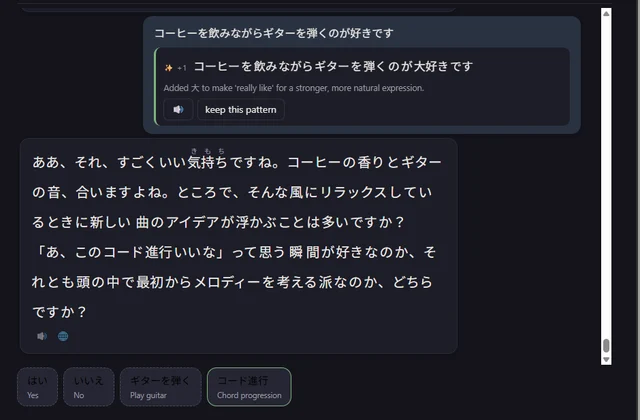
platform that keeps a per-word, per-skill map of what you actually know and generates
graded reading, shadowing, and cloze drills against it — about things you actually care
about. Before that came
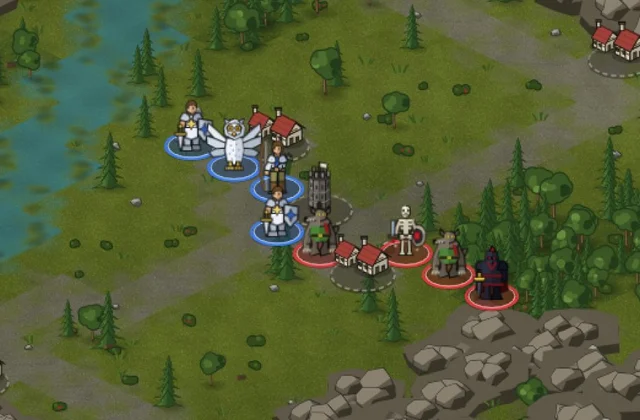
LLM Monster Hunter, a creature-catching
game where no creature exists until you meet it: the code manages context and owns every
number, the model does the storytelling and the refereeing.
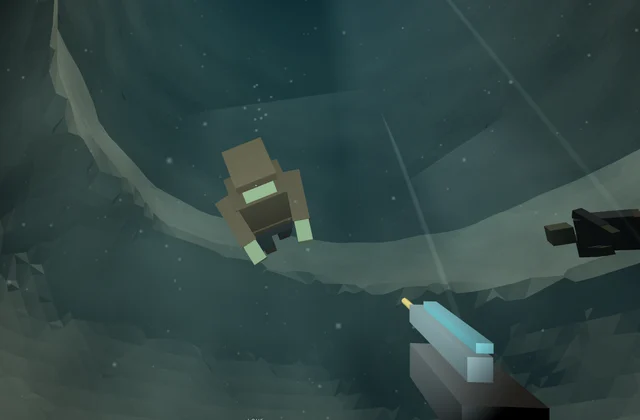
The smaller ones exist because a weekend was free. BLACKWATER was Black Ops zombies
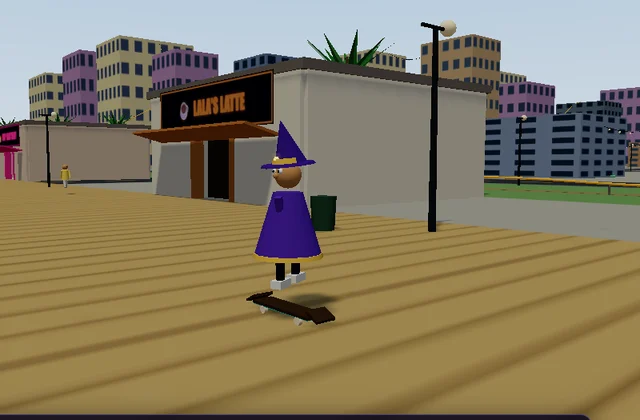
relocated to a flooded cave system, 58 commits in four days. Grind & Grimoire was one
prompt and one evening. Both are on the projects page,
and one of them you can play in a browser tab right now.
A pattern I keep running into: the model is good at words and terrible at numbers, and
almost every architecture that works puts a hard wall between the two. That's not a rule
I read somewhere. It's a rule I learned by shipping things that didn't work.
Why I write it down
The ledger is not a highlight reel. It's where the dead
ends go — the prompt that seemed obviously right and wasn't, the abstraction that cost me
a day, the moment an agent did something so strange it was worth a screenshot. Nothing
here gets polished before it's posted, because polish is where the useful parts go to die.
If you're learning this stuff too, I think the honest write-up of a failure is worth more
than another launch announcement. That's the bet, anyway.
Away from the keyboard
I'm studying Japanese — somewhere around N4, aiming at the JET Program eventually. I
volunteer with the Austin Japanese Club, including a bilingual Studio Ghibli storytime,
which is as good as it sounds. I play fingerstyle guitar and write songs, mostly to find
out what I think. And I'm in Toastmasters on the humor pathway, which has done more for
my technical writing than any style guide.
Say hello
If you're building something adjacent to any of this, or you just want to argue about
where agents break, I'd like to hear from you.
Email Aaronjorelup@gmail.com, or find
me on GitHub
and LinkedIn.